
People often ask us how Dronagiri came to be.
The truth is that it wasn’t part of some grand master plan. It grew gradually from lots of different interests, experiences and dreams that eventually found a home in one place.
We returned to Ireland in 2007 after many years of travelling and living abroad. We knew we wanted a different kind of life, one that felt more connected to nature, wellbeing and community. At the time, we didn’t know exactly what shape that would take, but we knew we wanted more space to grow food, spend time outdoors and raise a family in a way that felt grounded and meaningful.
We have worked as natural therapists since 2005, and from 2007 until 2022 we ran our clinic in Killaloe, supporting people through a range of natural therapies, Ayurvedic consultations and wellbeing programmes. Alongside our work, we shared a love of nature, gardening, medicinal plants and spending as much time outdoors as possible.
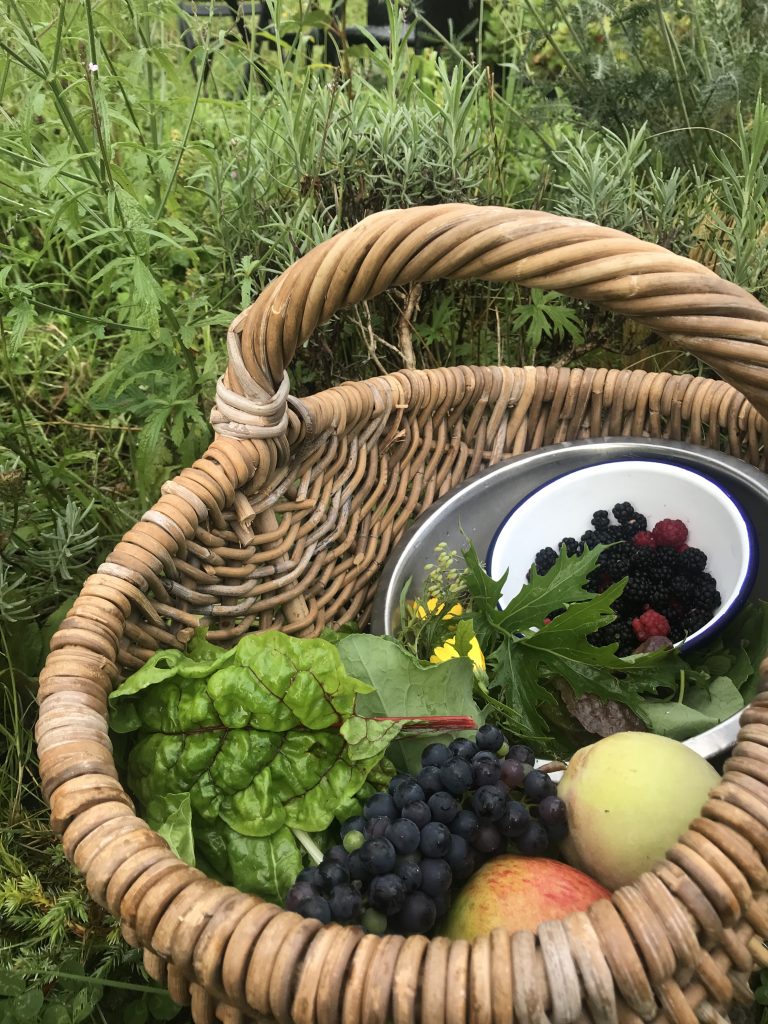
We started growing food organically in 2011 and became increasingly interested in medicinal herbs, biodiversity and creating habitats for wildlife. Then, after the birth of our second child in 2016, we came across Mary Reynolds’ book The Garden Awakening.
Something about it struck a chord.
It encouraged us to look at the land differently—not as something to control, but as something to listen to and work alongside. We found ourselves imagining what it might be like to create a place where wildlife could thrive, where food and medicinal herbs could be grown, and where people could reconnect with nature.
When we found this land in East Clare, we felt we had found the right place.
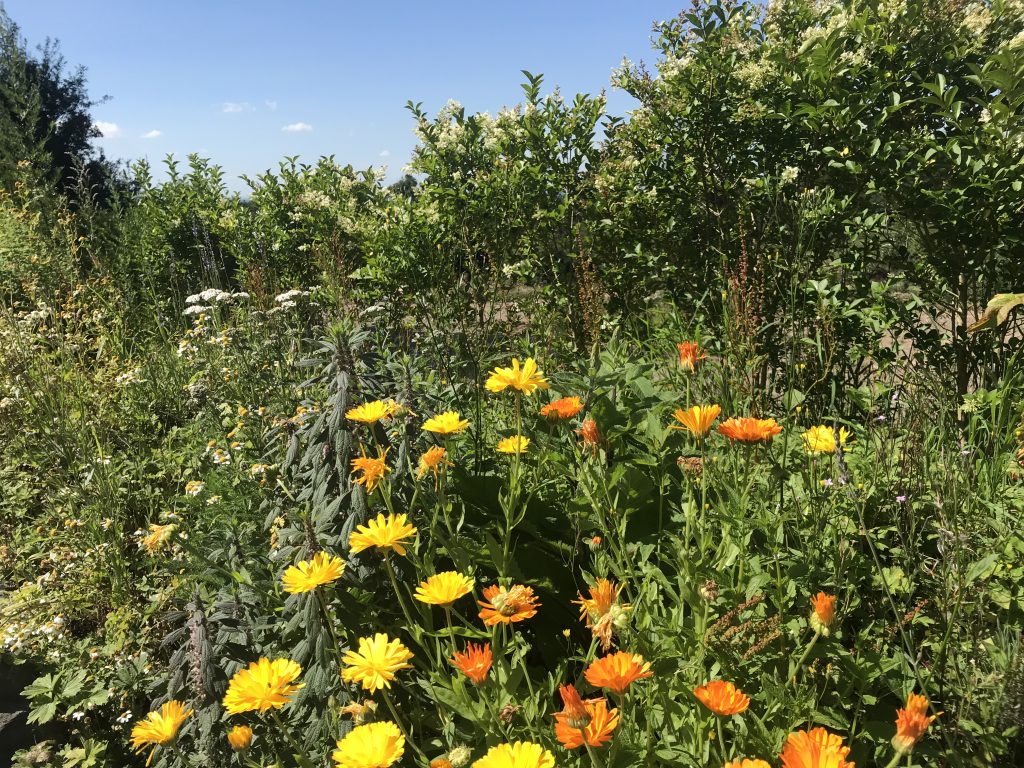
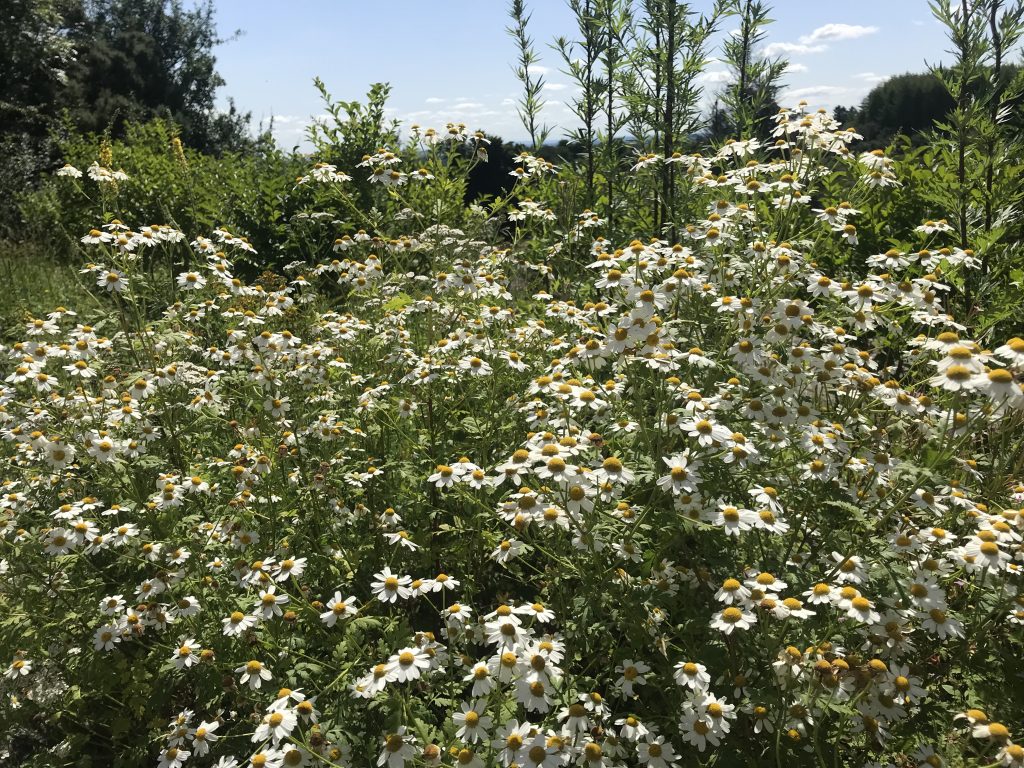
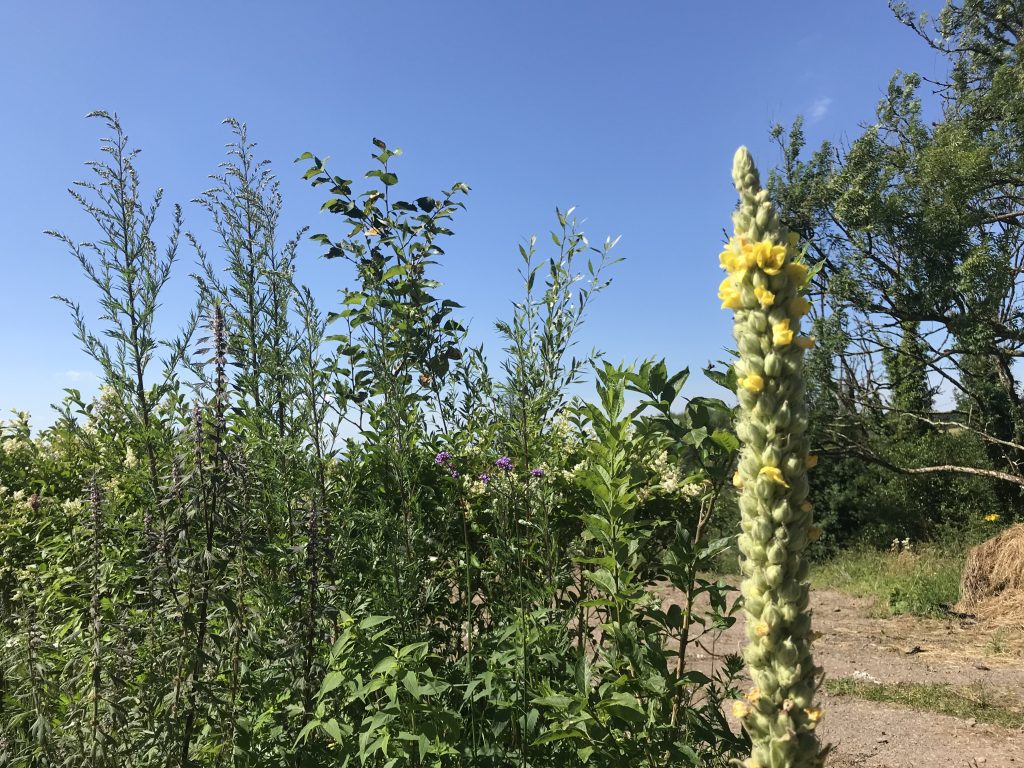
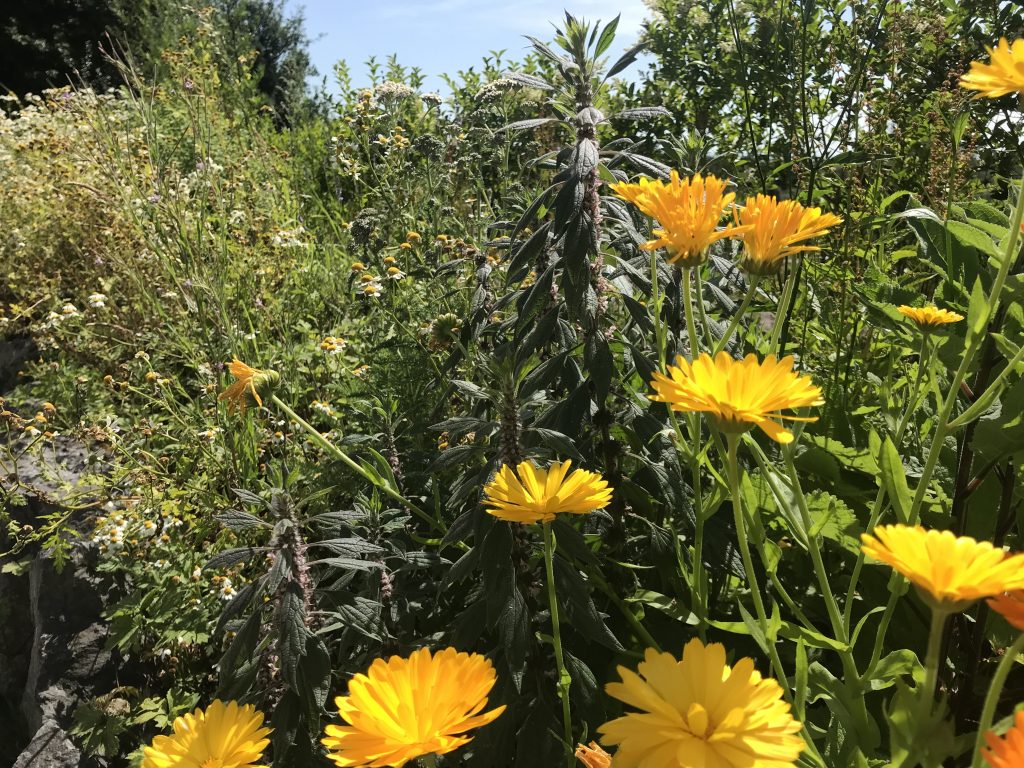
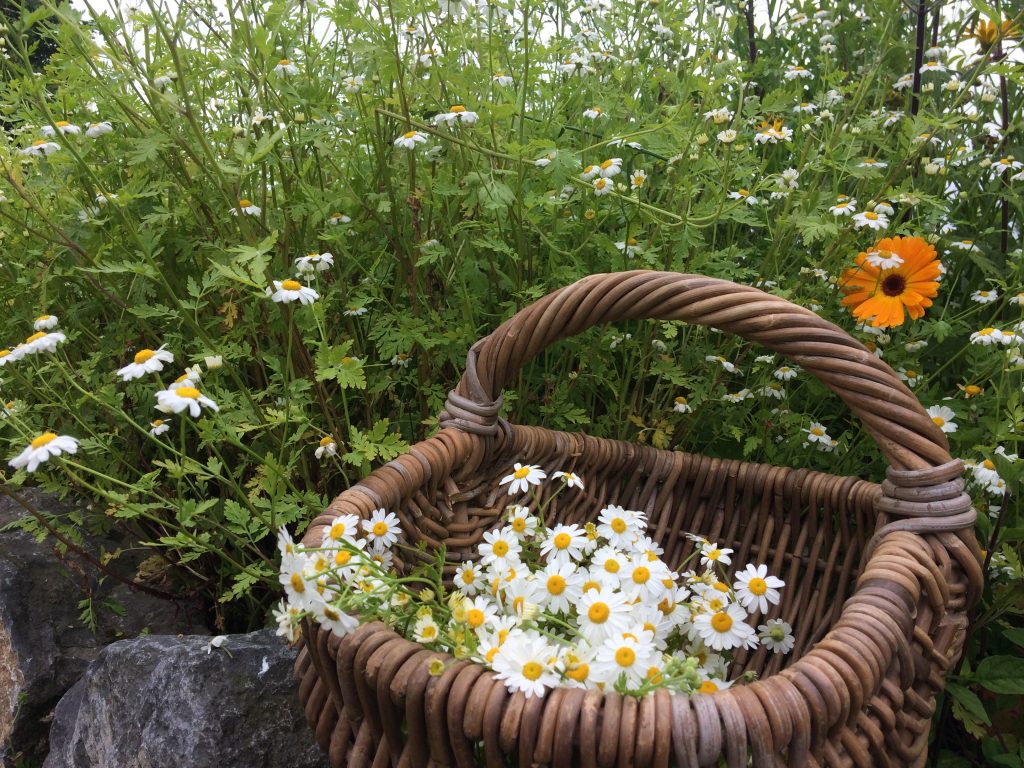
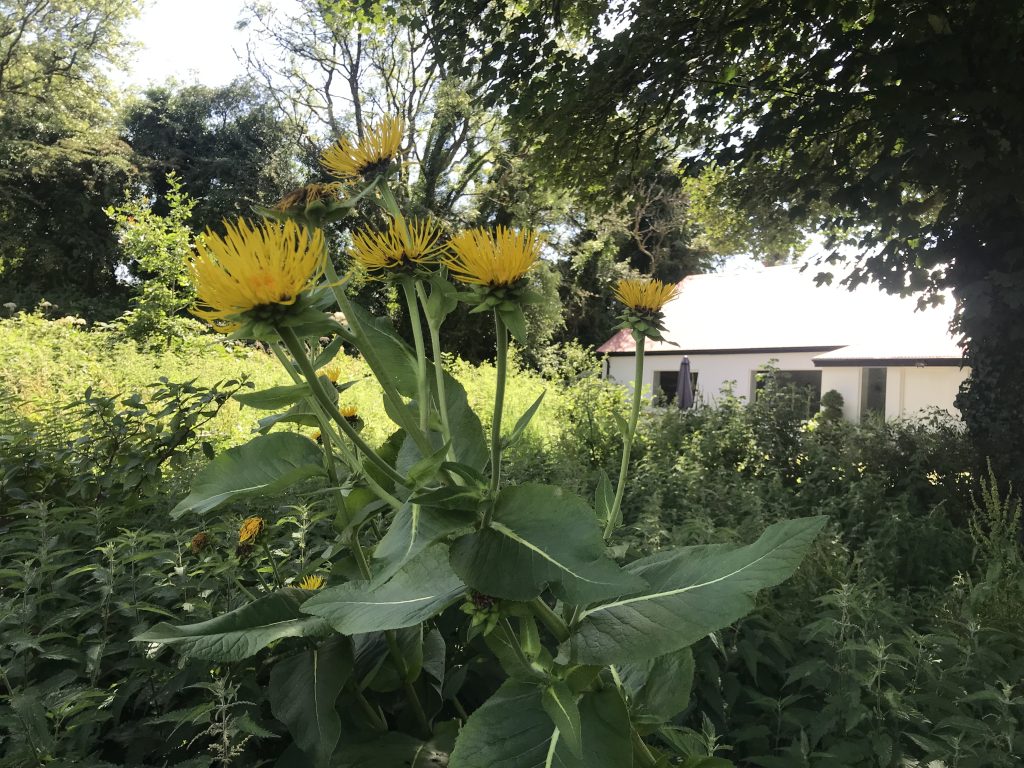
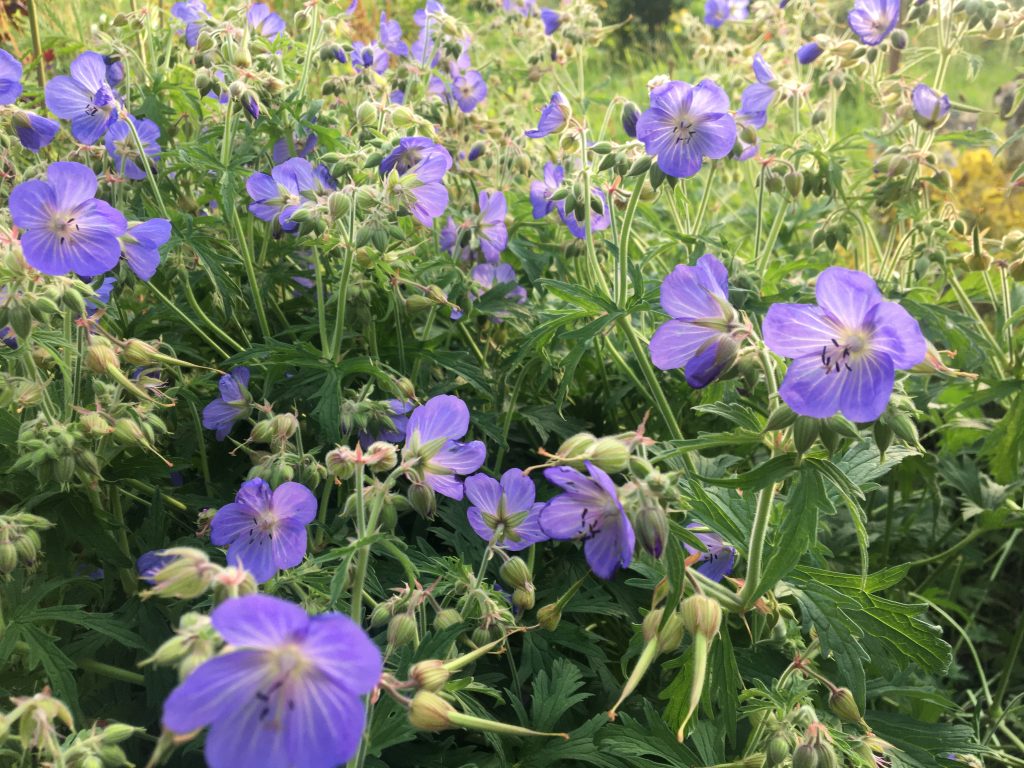
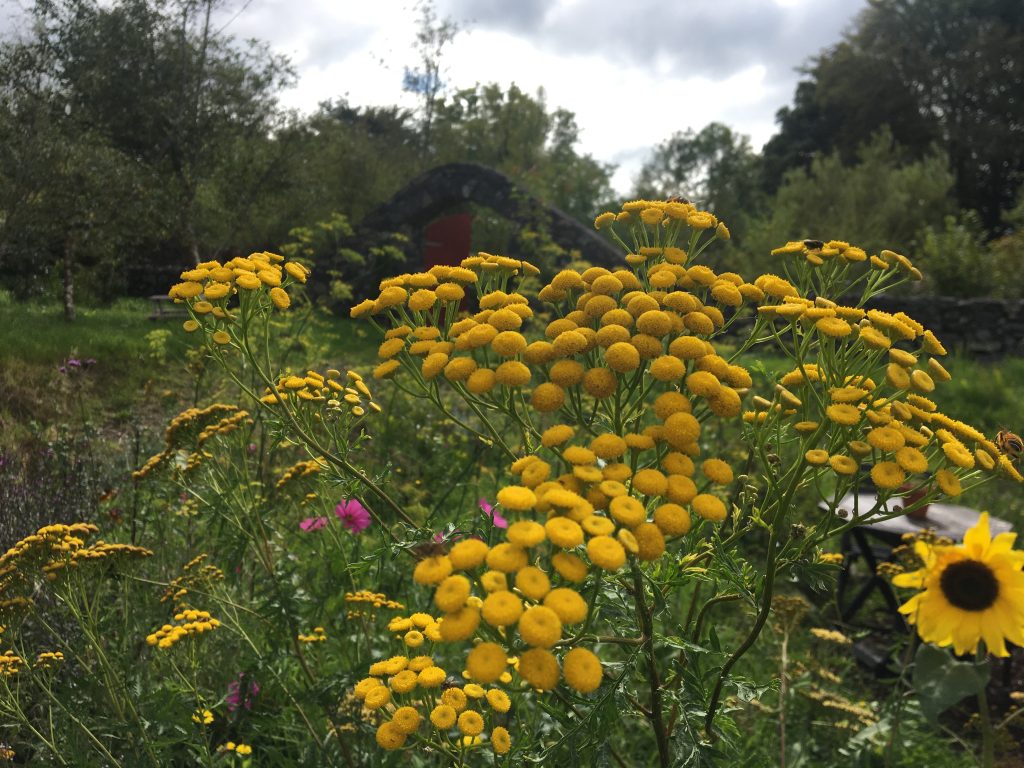
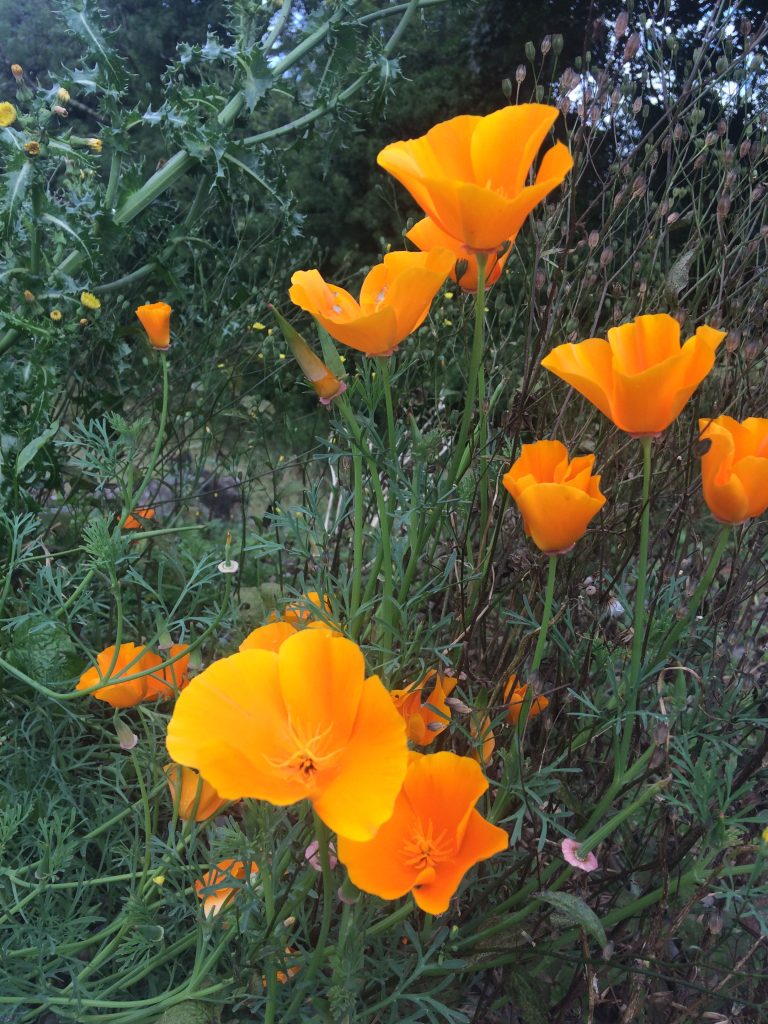
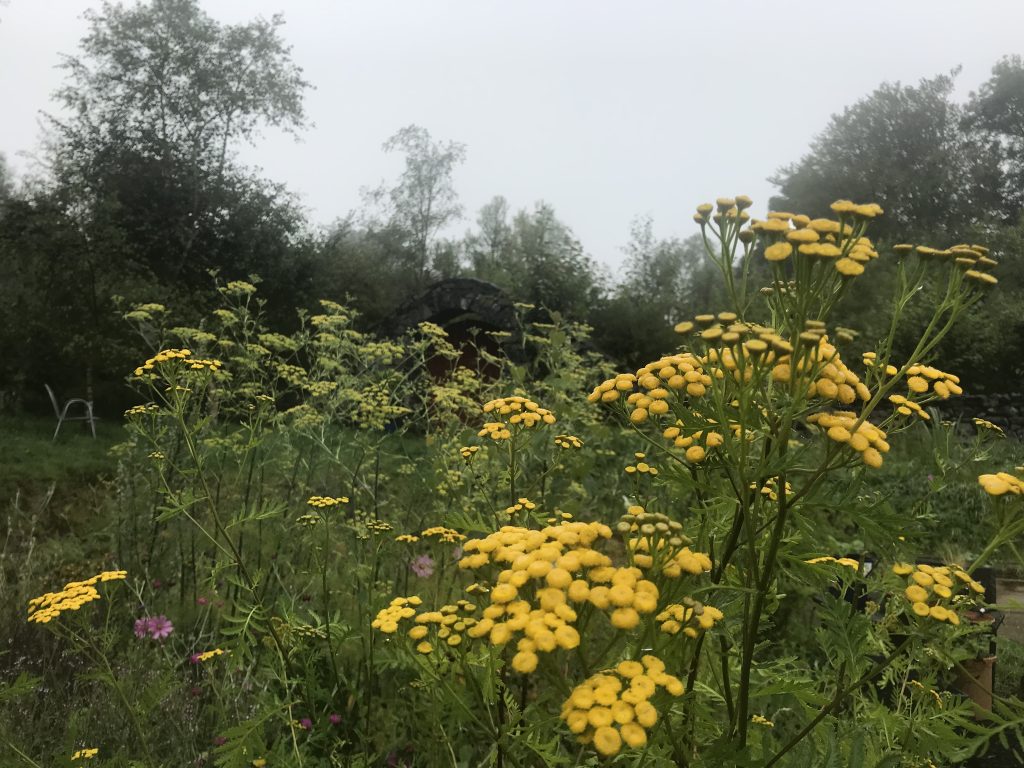
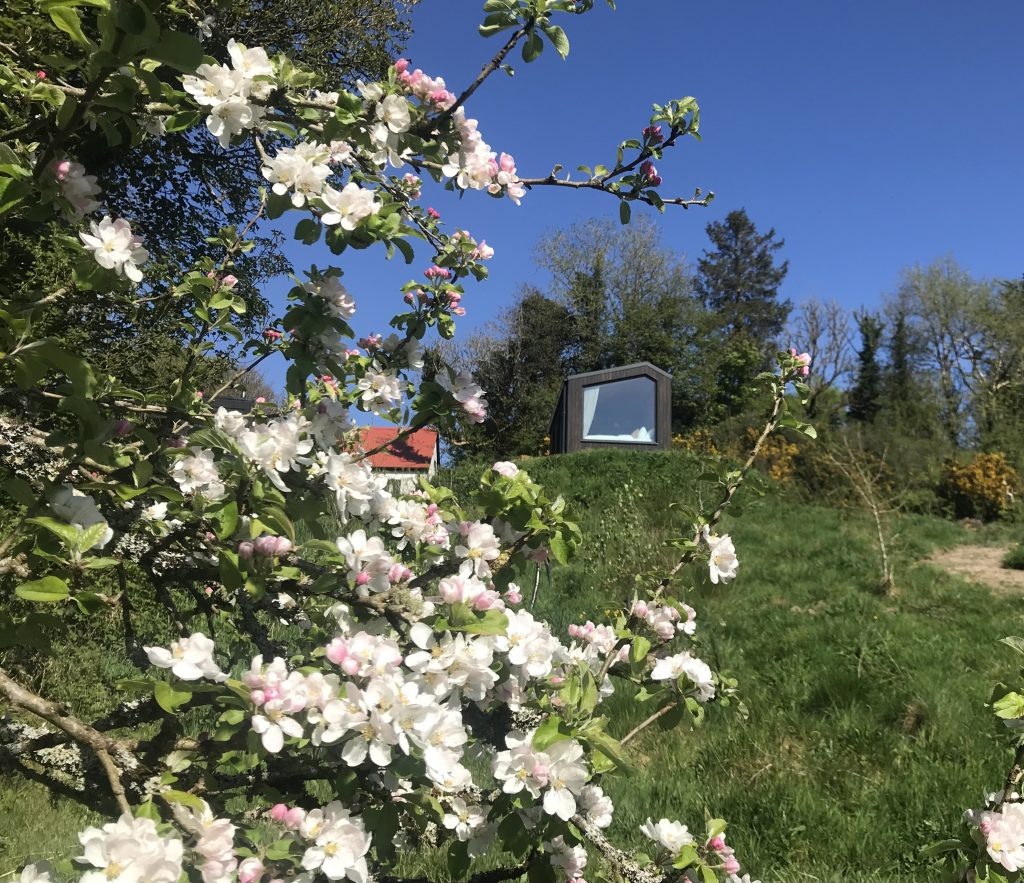
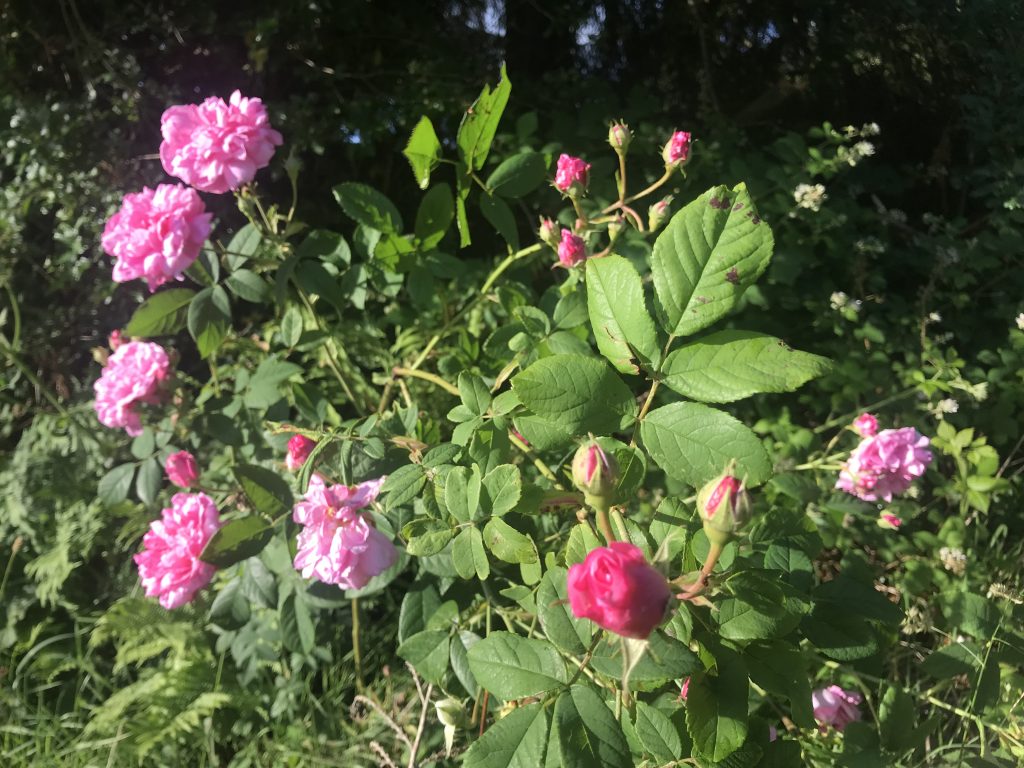
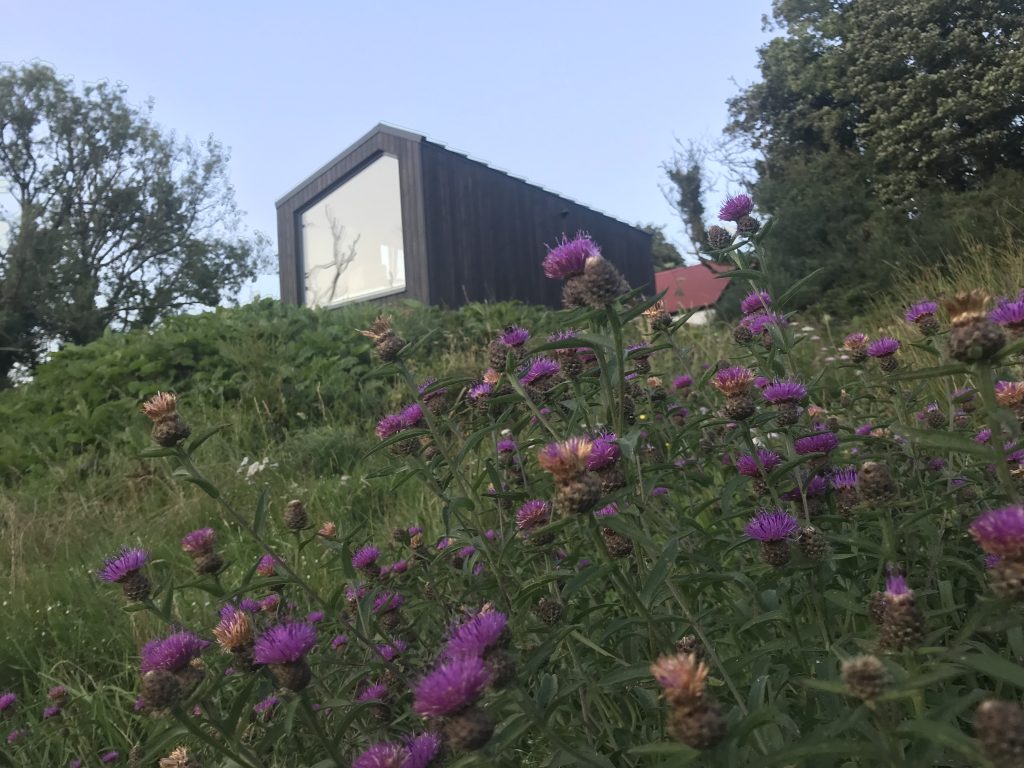
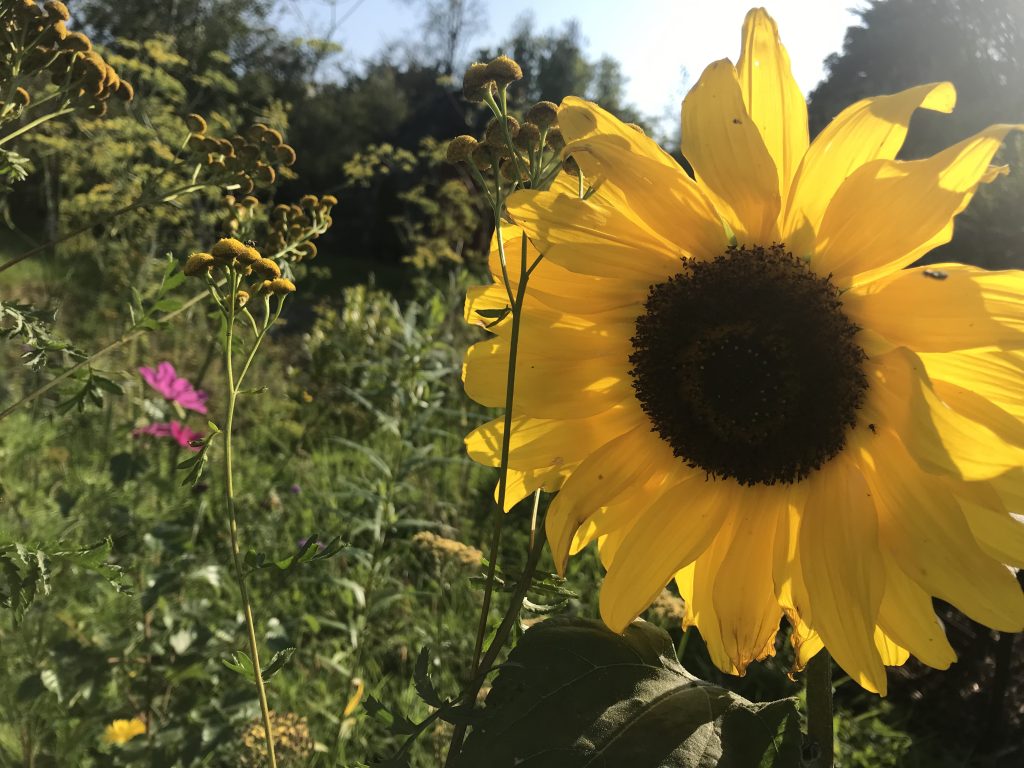
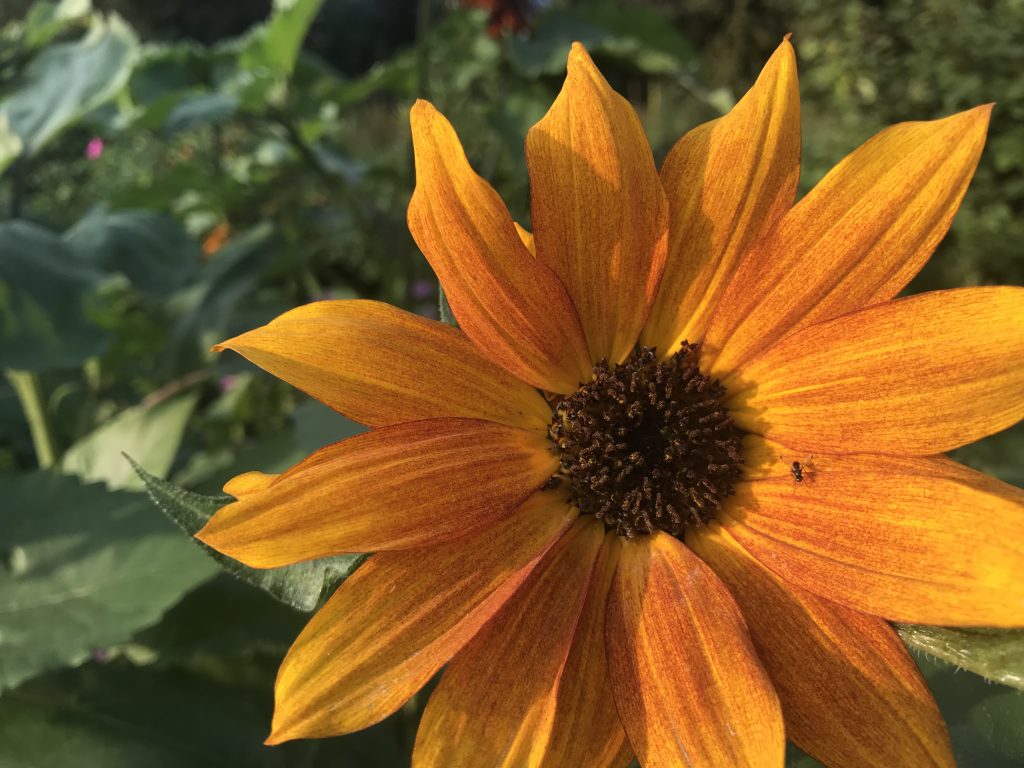
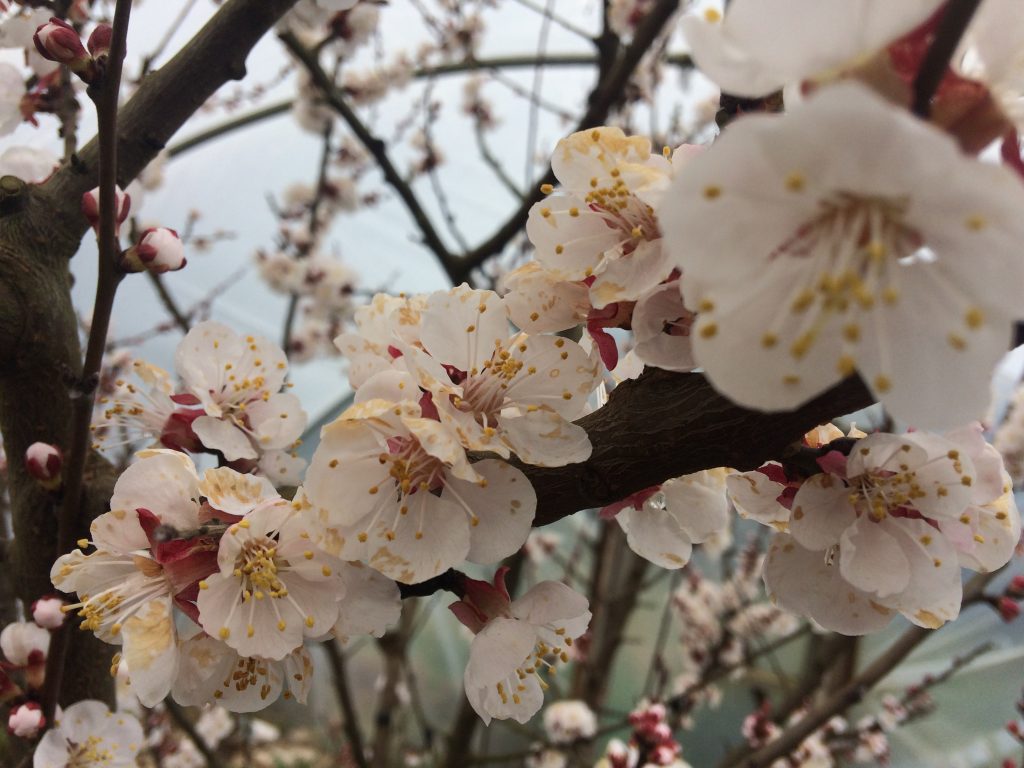
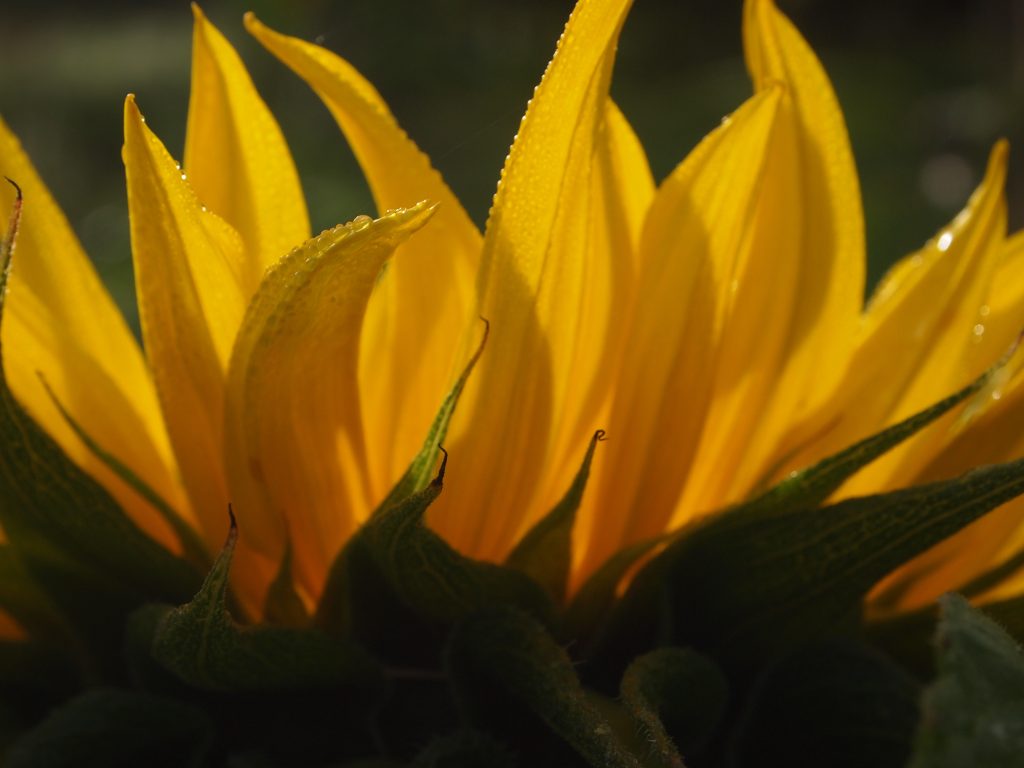
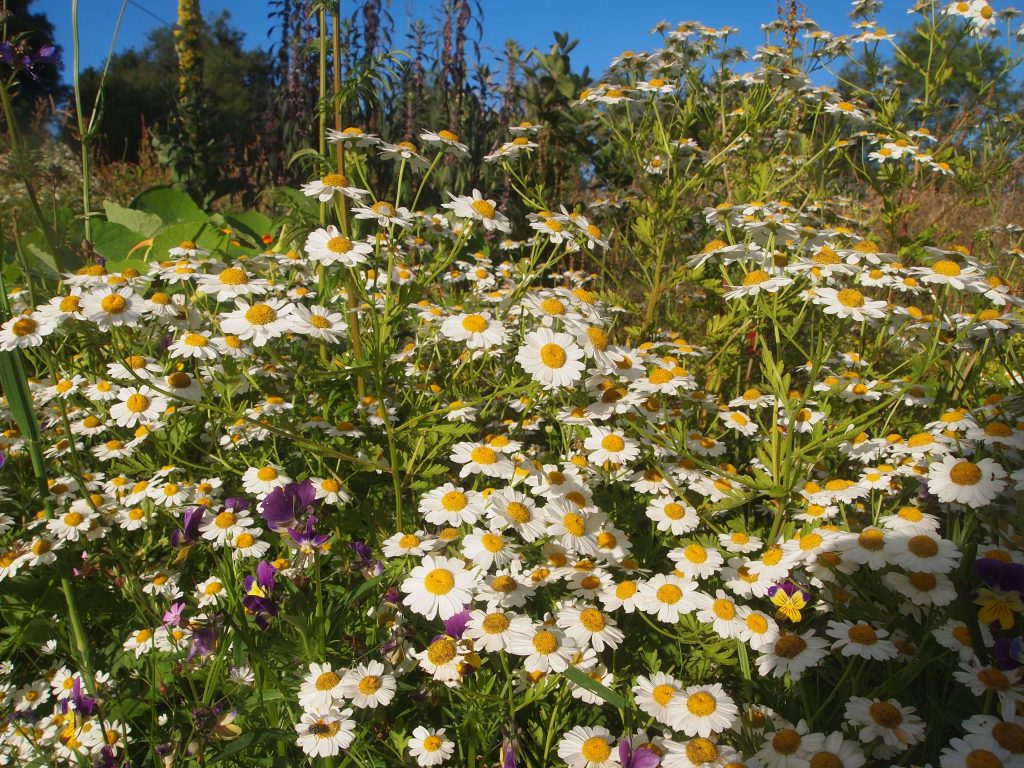
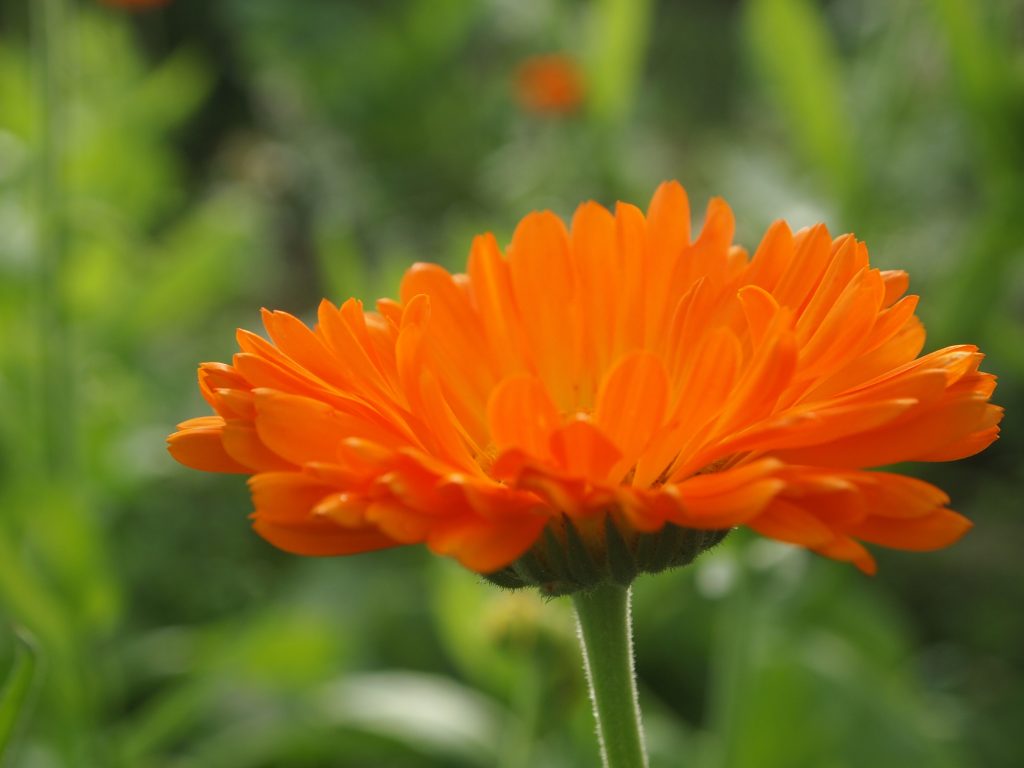
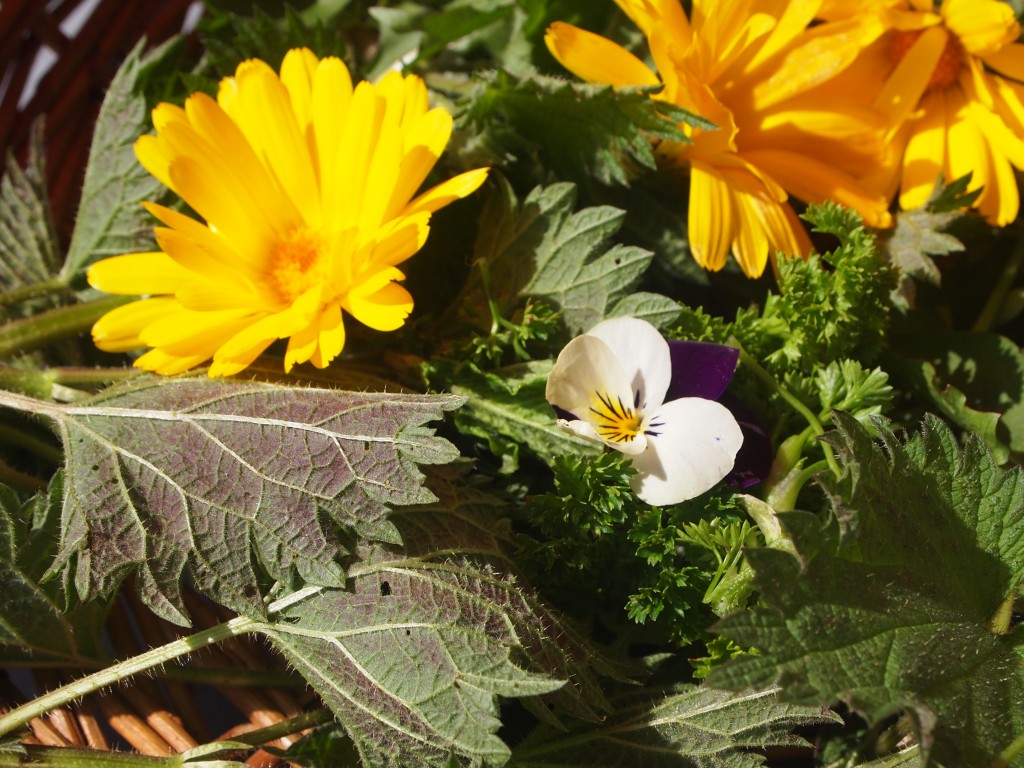
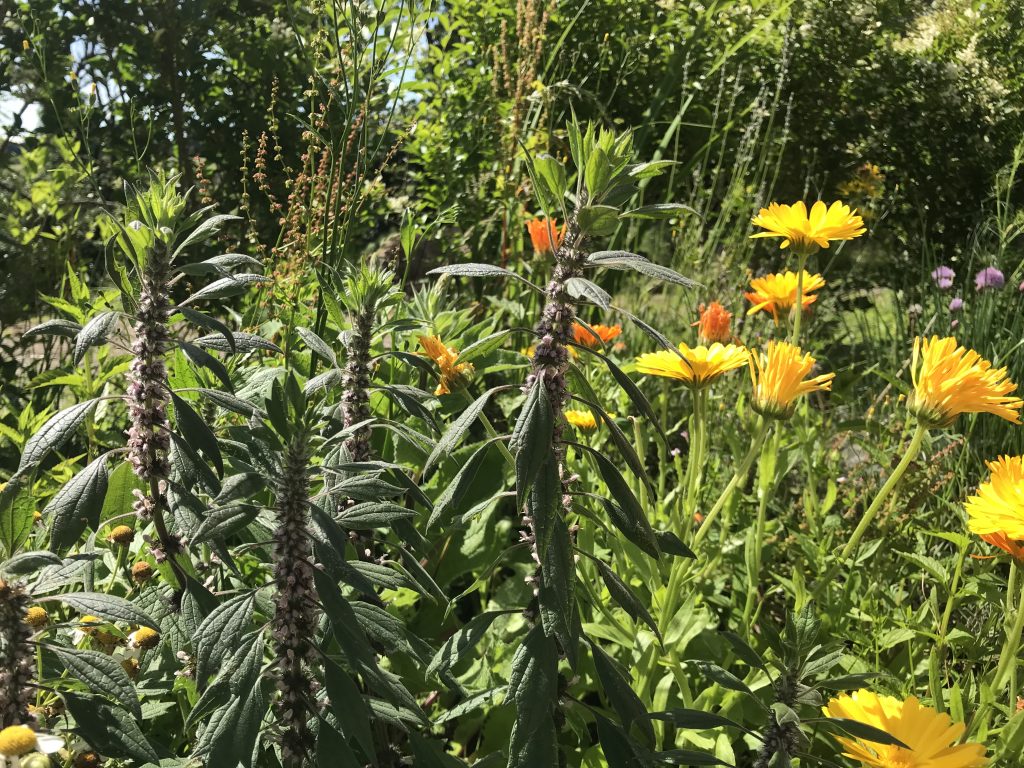
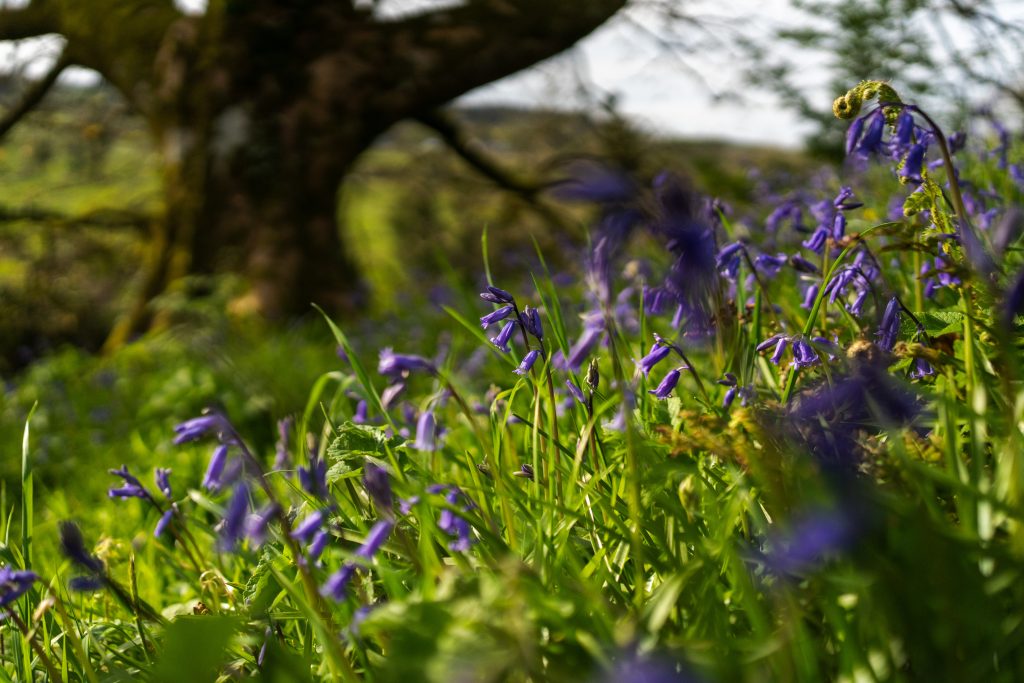
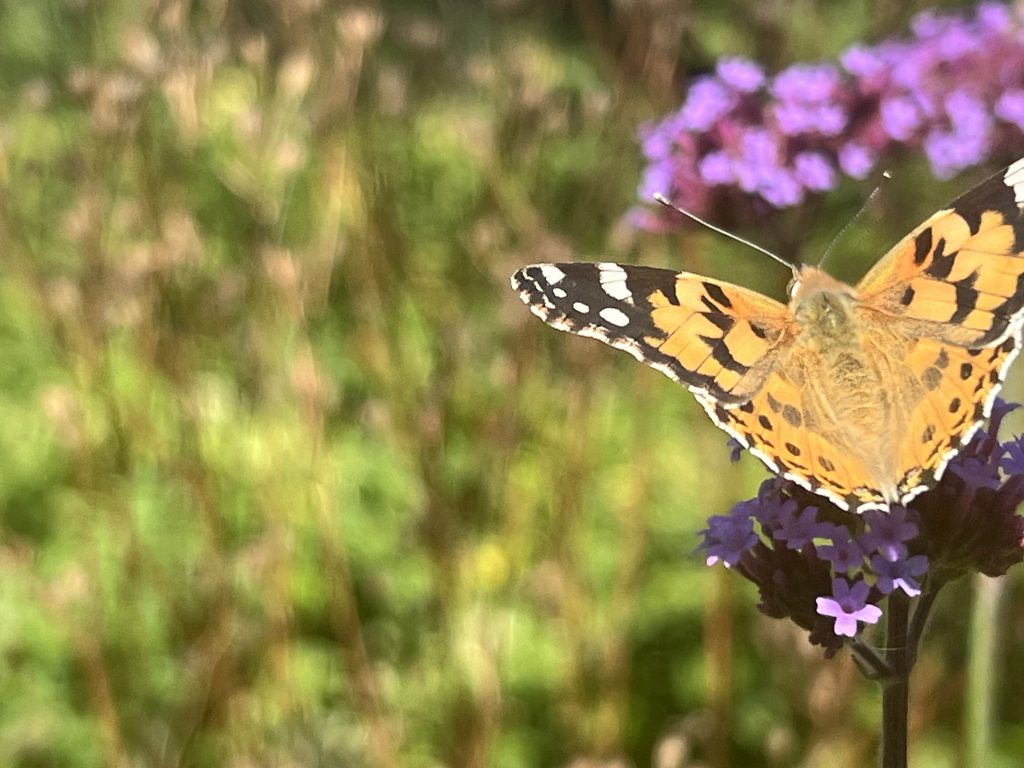
Some images of Dronagiri over the past 7 years.
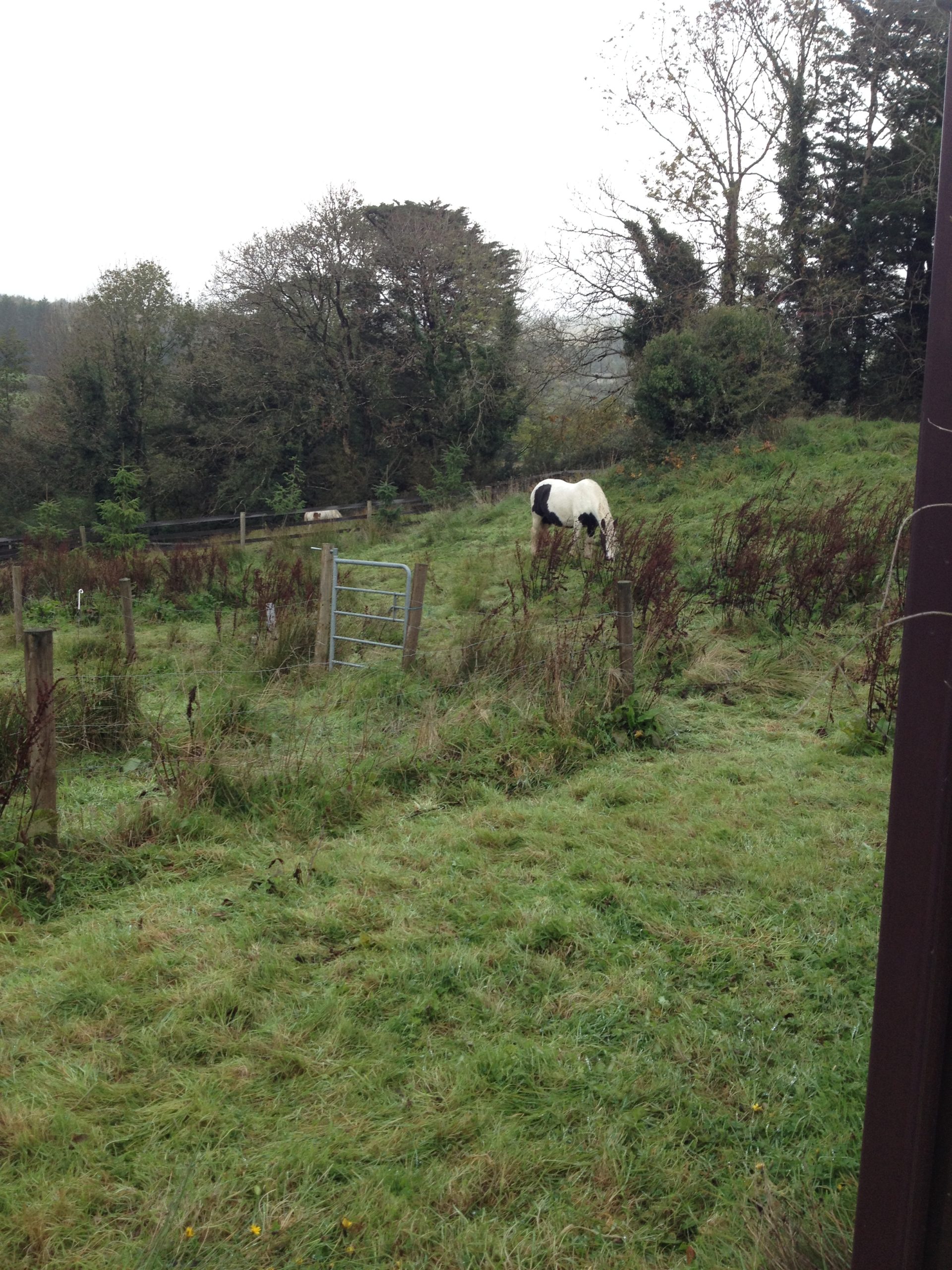
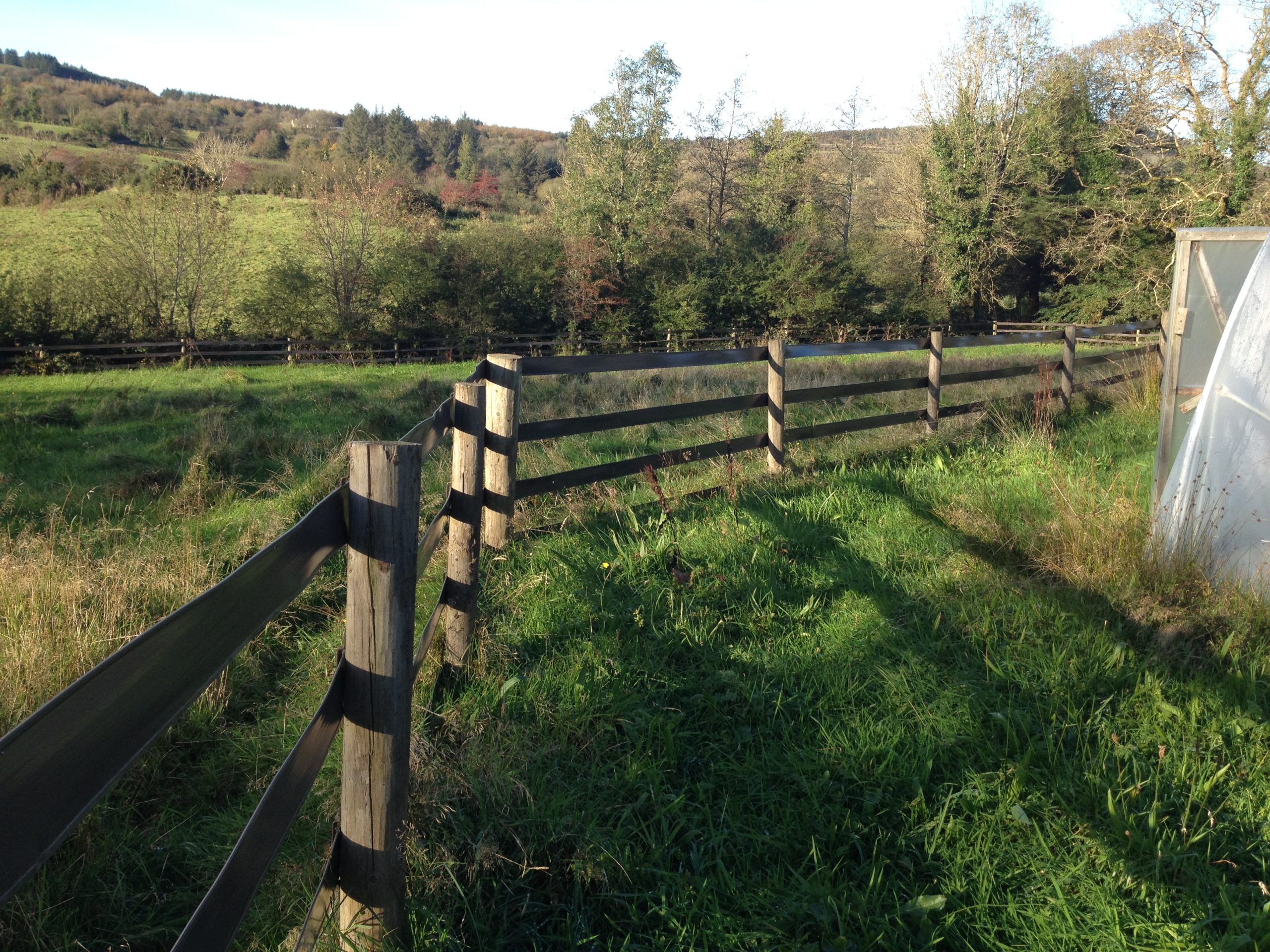
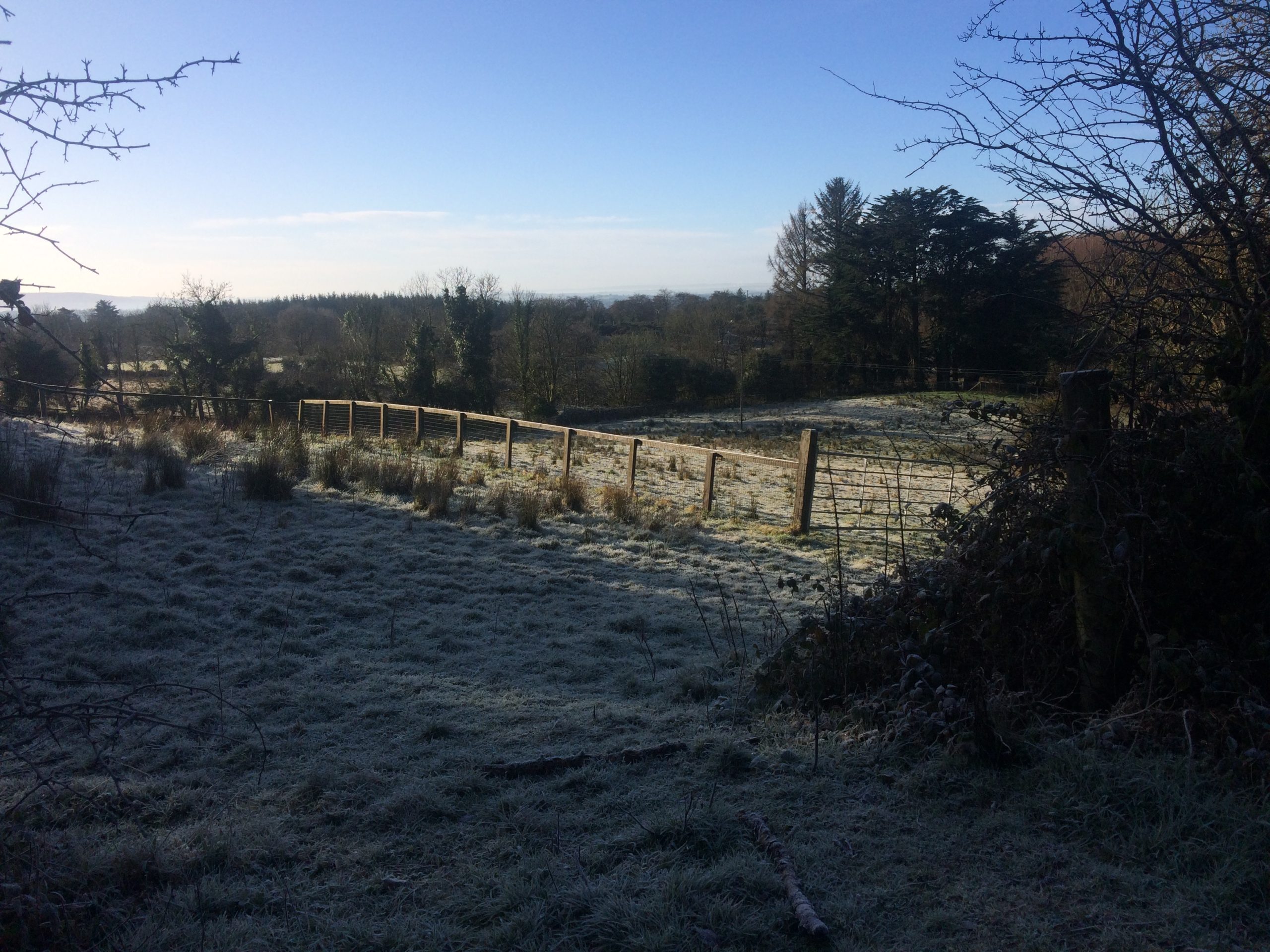
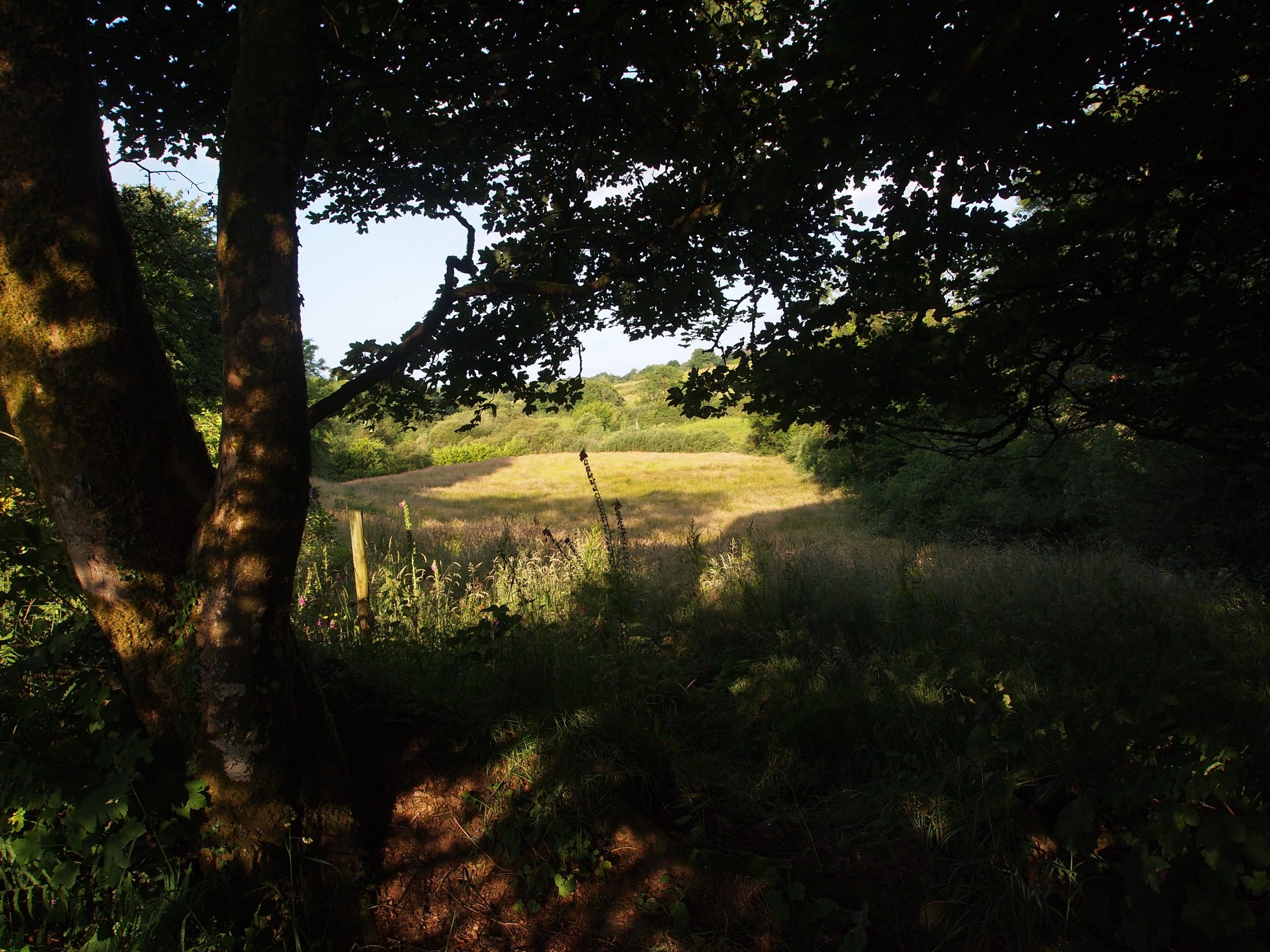
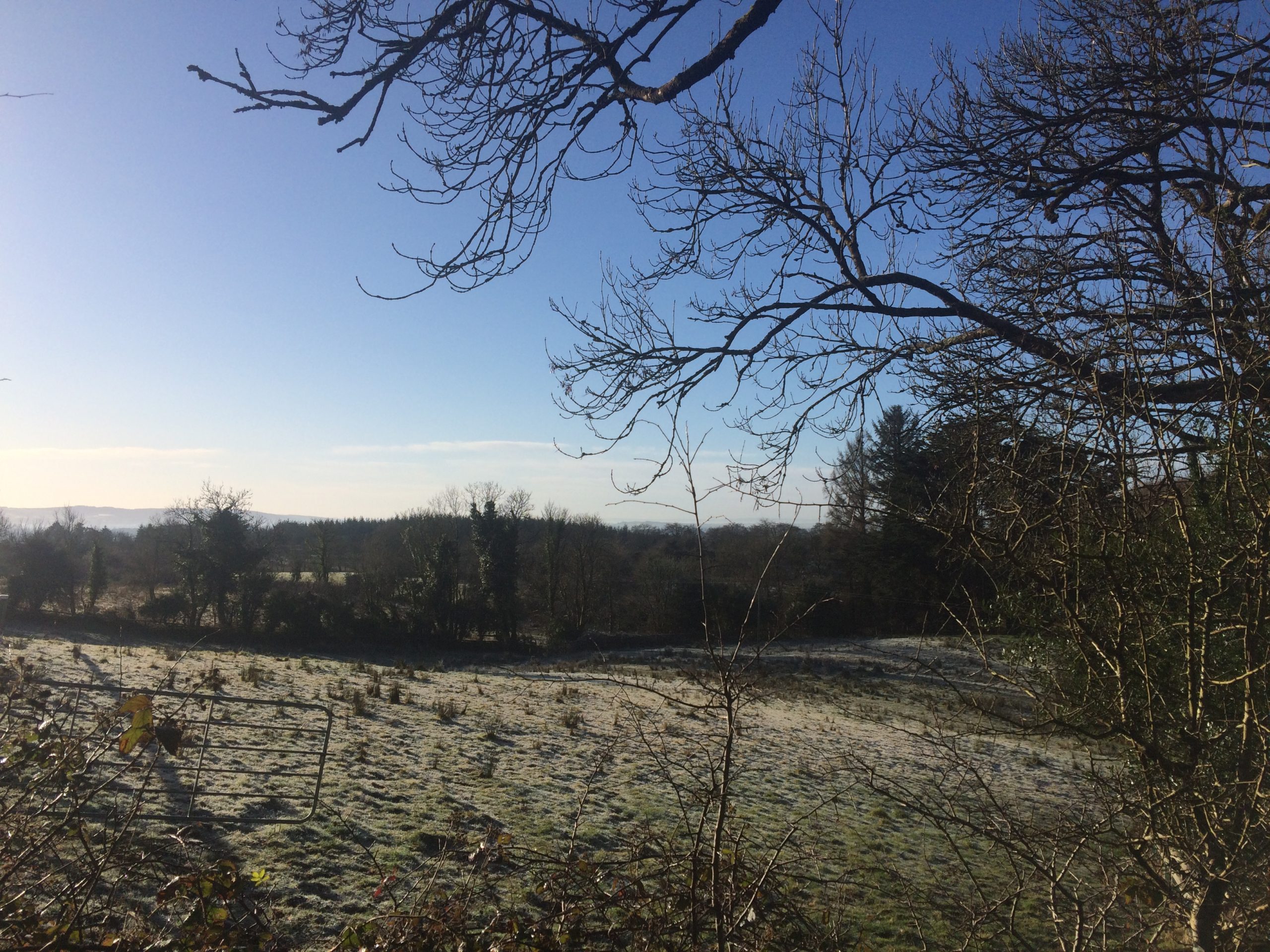
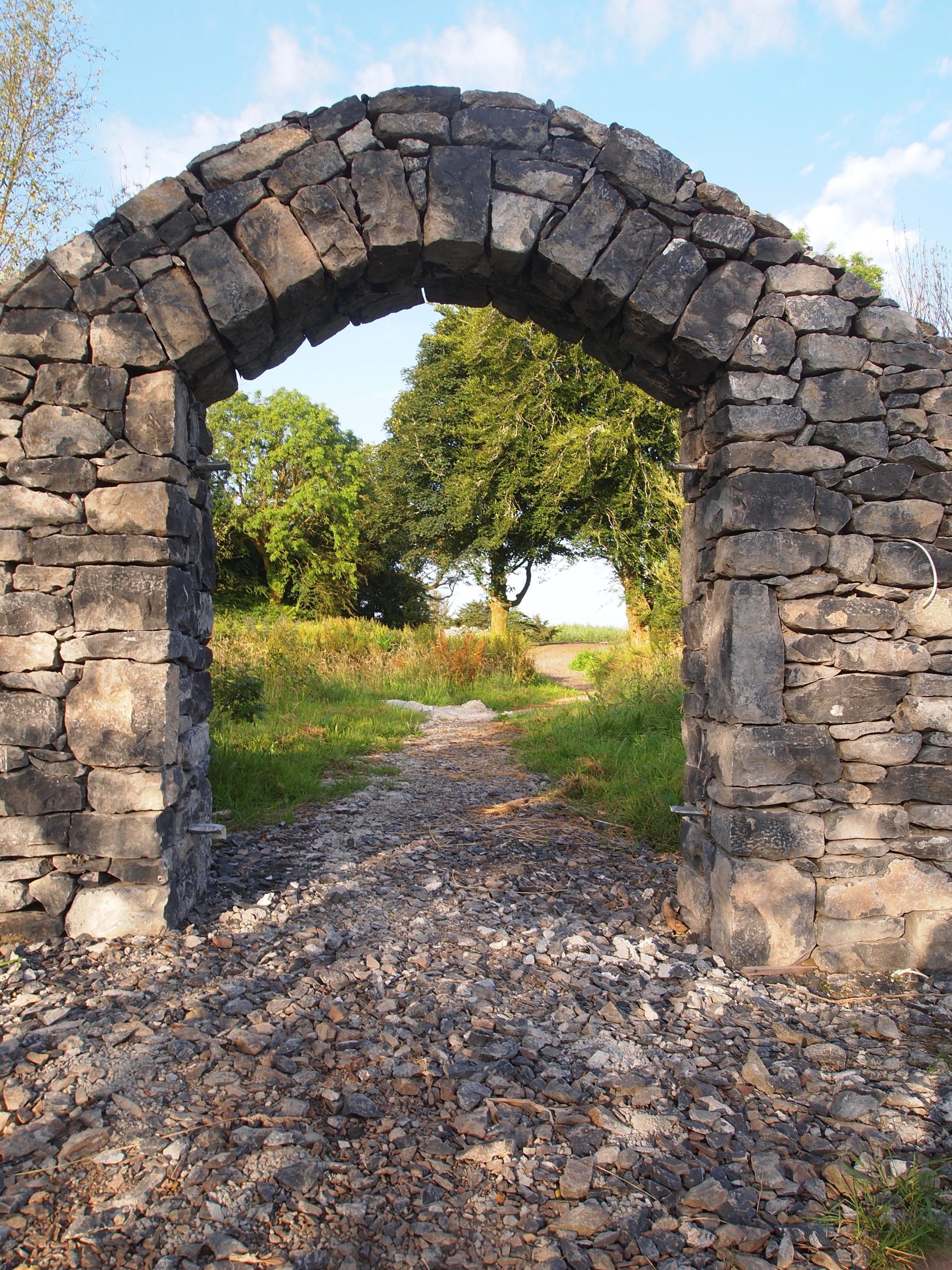
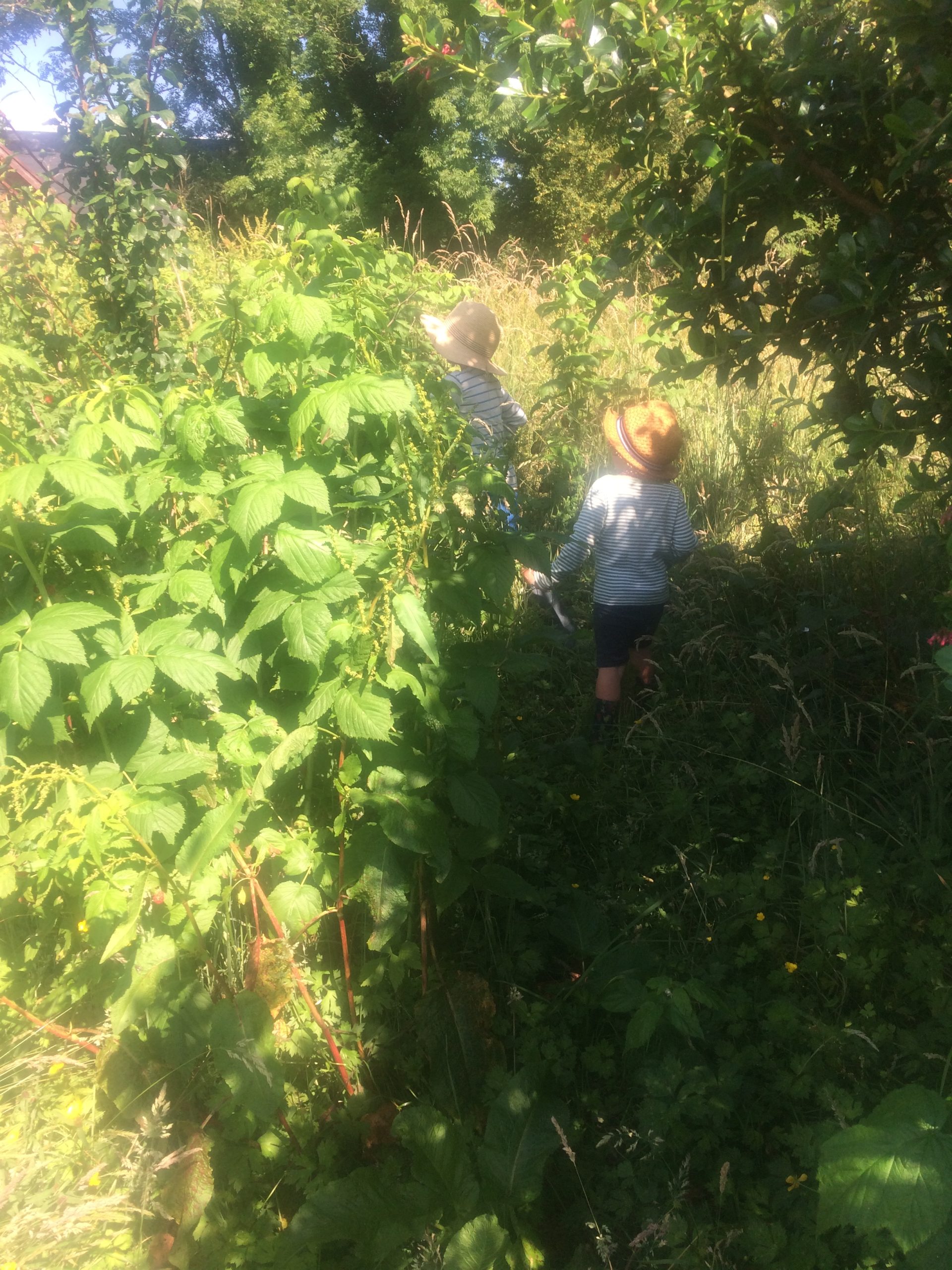
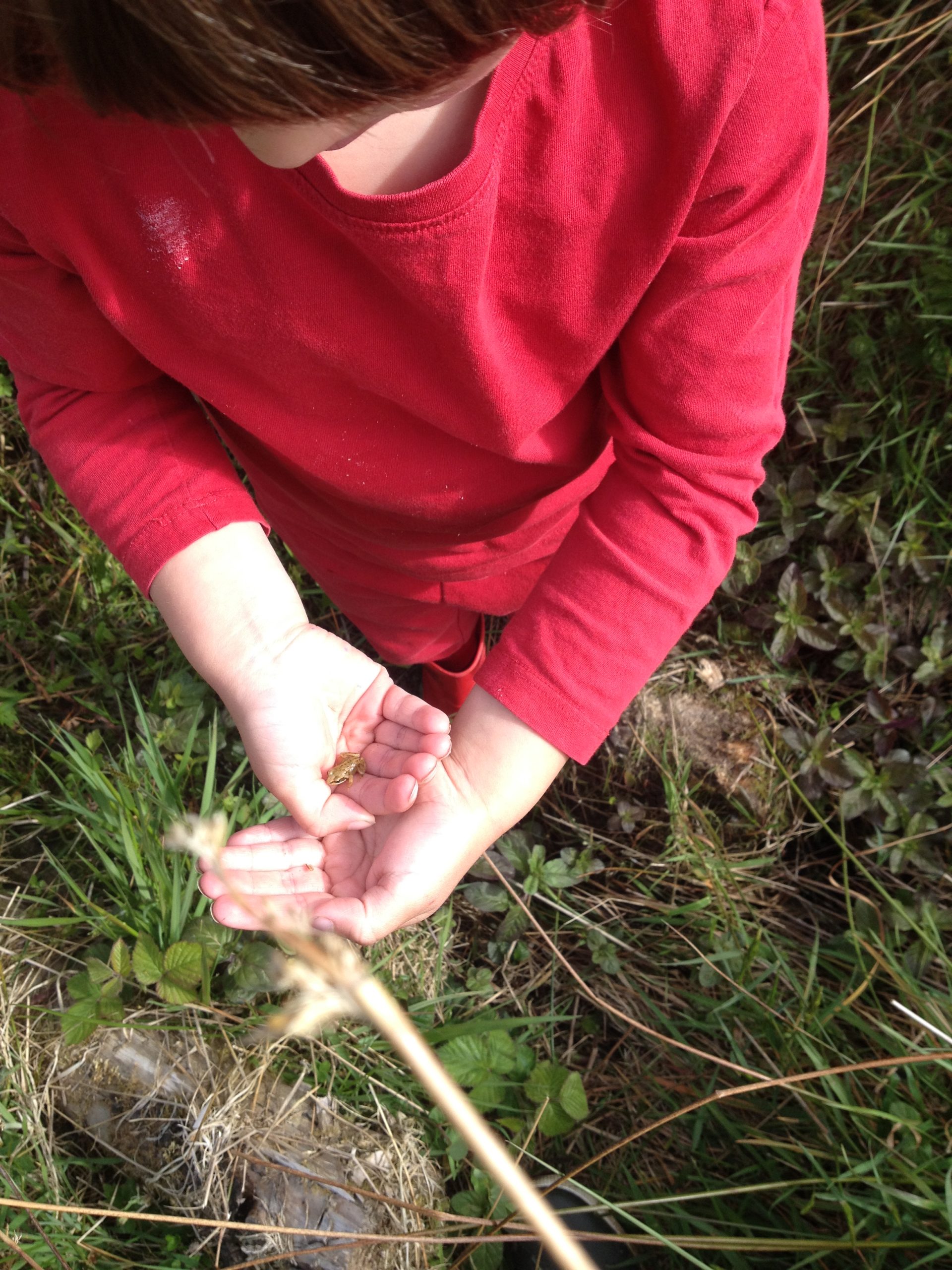
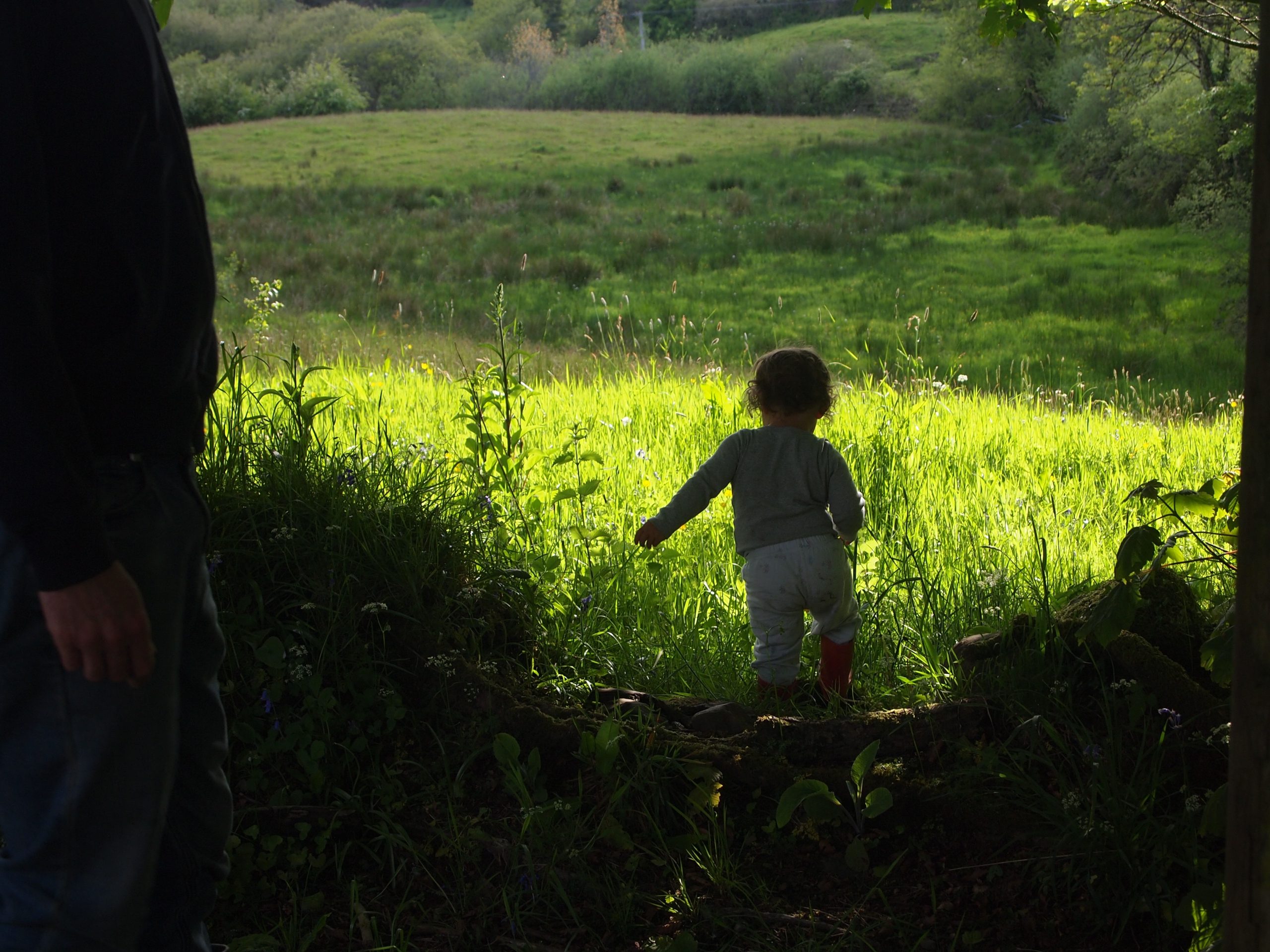
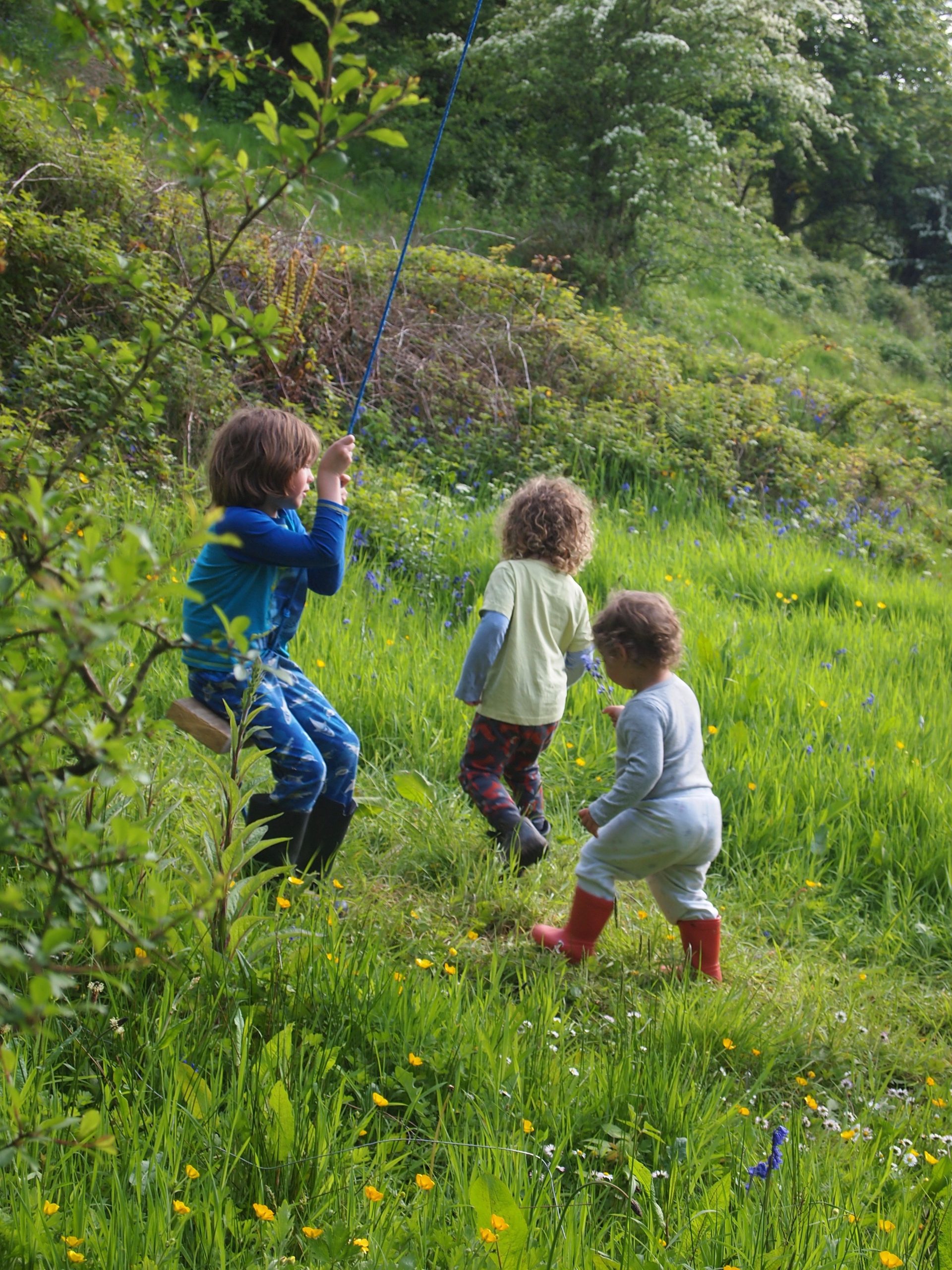
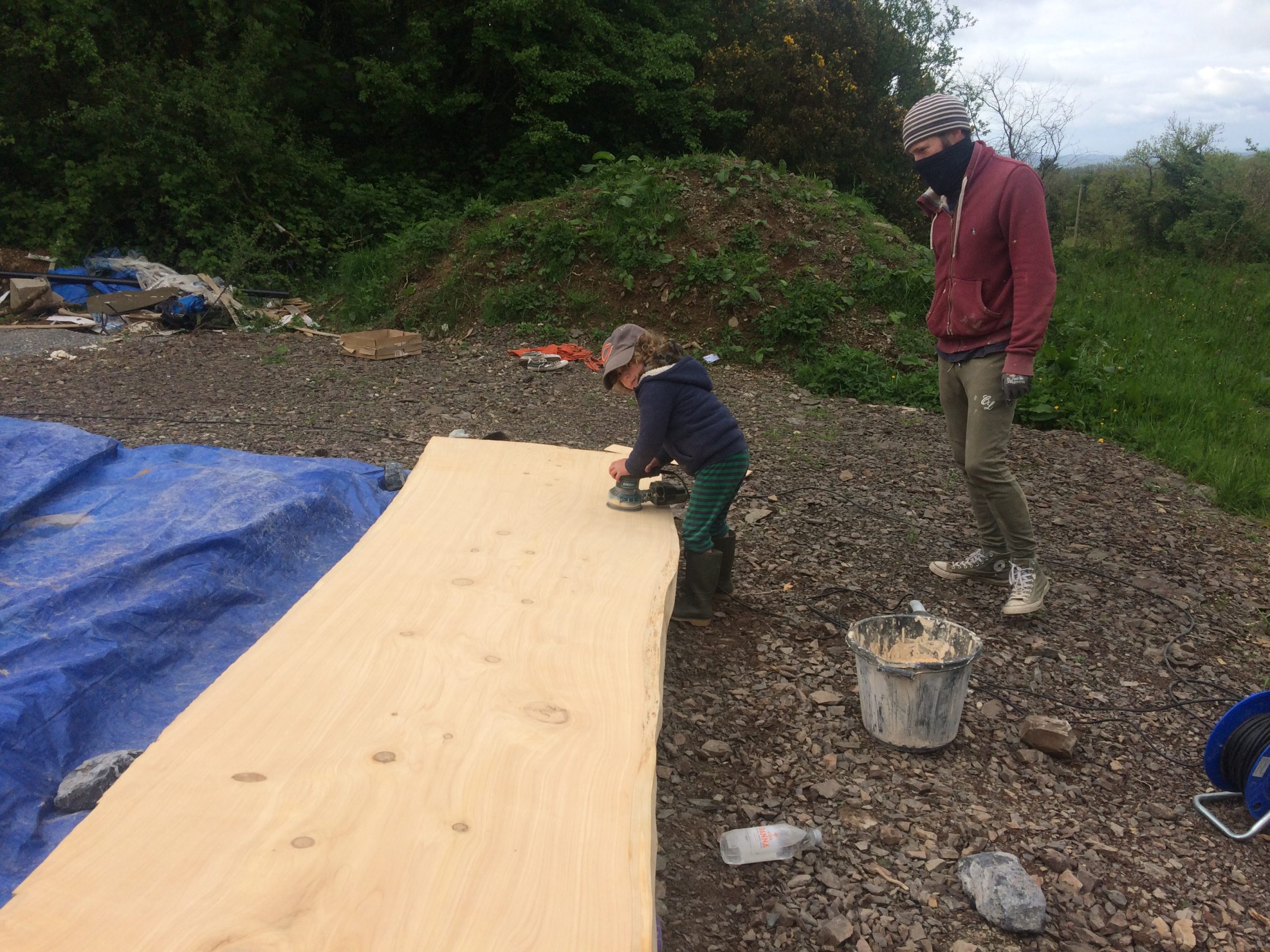
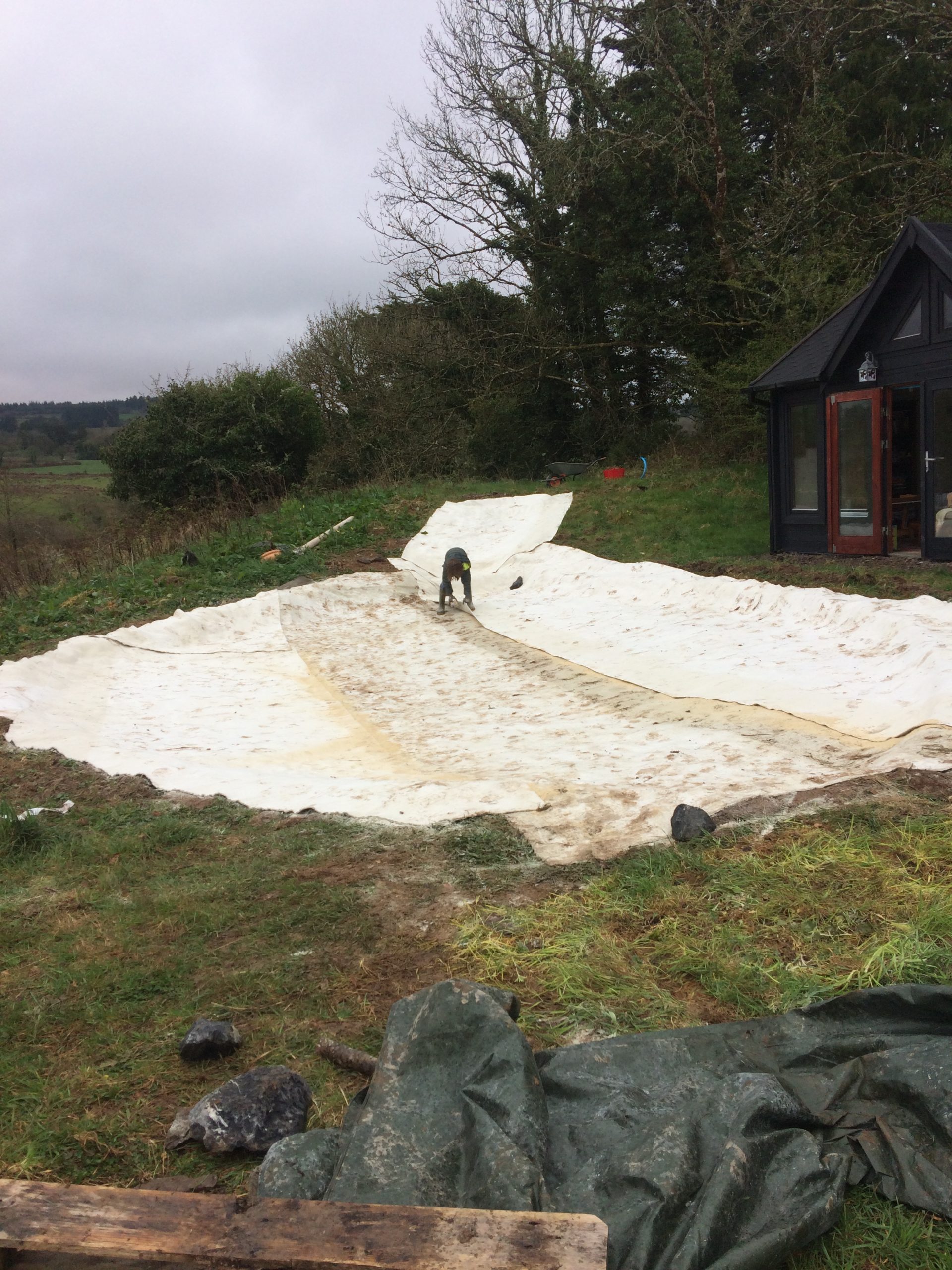
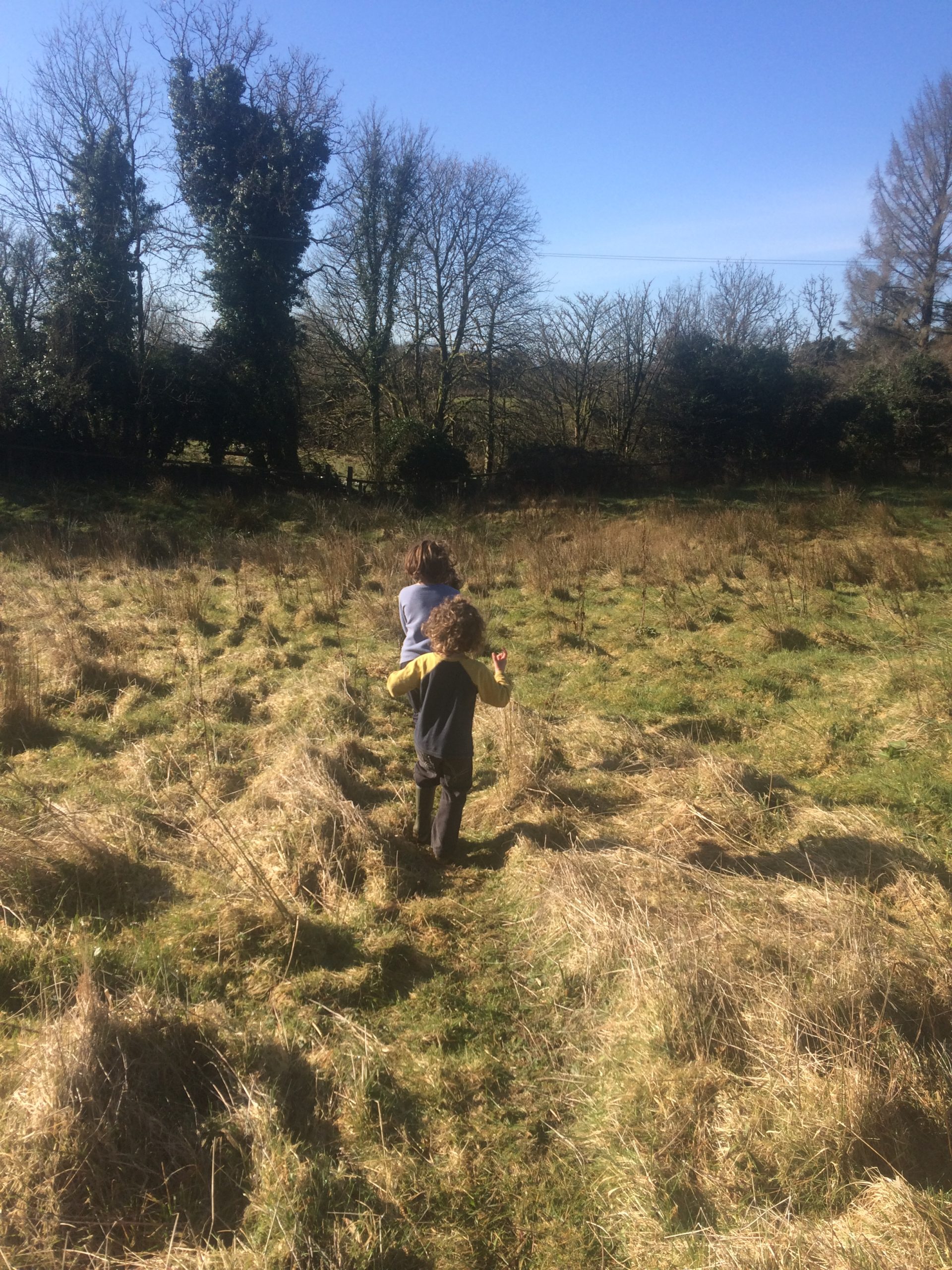
At the time, it was a working farm with a very different purpose. The buildings that now house our clinic and training centre were old stables, while the field where the cabins now sit was grazed by alpacas, ponies and cows.
Over the years, another long-standing interest of ours became part of the project: natural building.
We have always been fascinated by traditional and ecological building methods, and when the time came to create a permanent home for our work, we wanted to build in a way that reflected our values. In 2021, we completed our clinic and training centre using natural materials including straw, timber and clay. The building sits gently within the landscape and provides a space for consultations, treatments, training and community events.
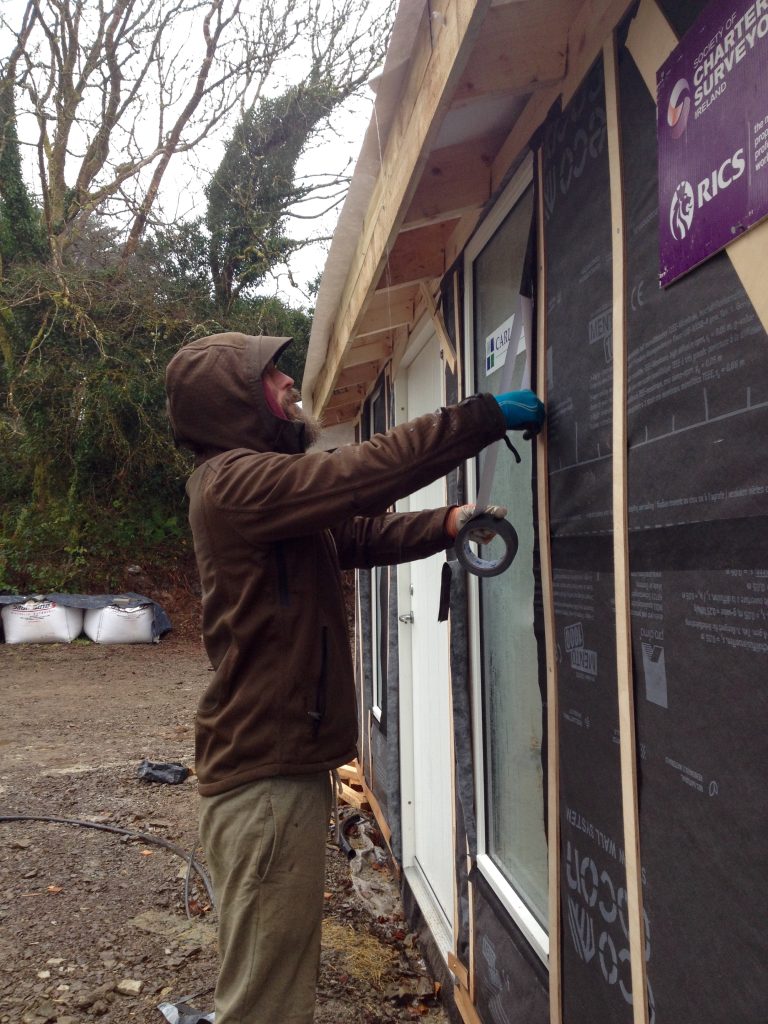
At the same time, we began rewilding the land around it.
Since 2019, we have planted more than 3,000 native Irish trees, created ponds and wildlife habitats, planted pollinator-friendly gardens and allowed nature to reclaim areas that had previously been managed more intensively.
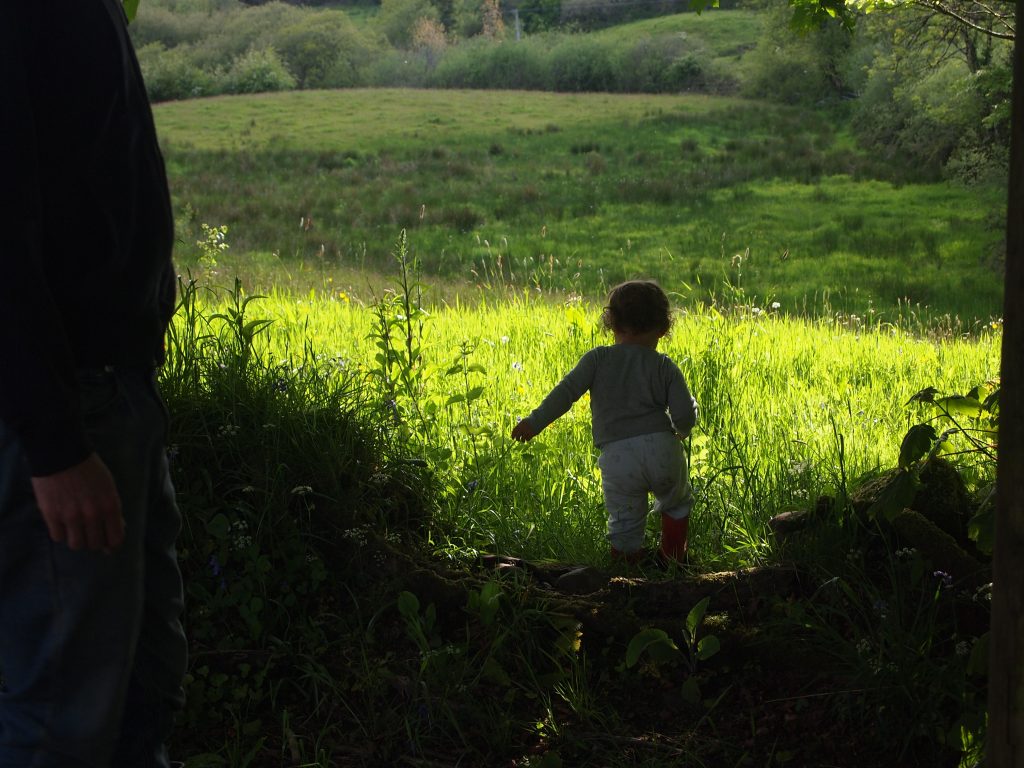
Slowly, wildlife began to return.
Today we regularly see deer, foxes, red squirrels, pine martens, woodpeckers, ravens, buzzards, pheasants and barn owls. The ponds are alive with newts, frogs, dragonflies and countless other species, while bats & owls emerge overhead on summer evenings.
Watching this transformation has been one of the most rewarding parts of the journey.
As a family, we spend a lot of time outdoors here. Our three children have grown up planting trees, exploring wild areas, spotting wildlife and helping in the garden. Dronagiri has become a family adventure as much as a business.
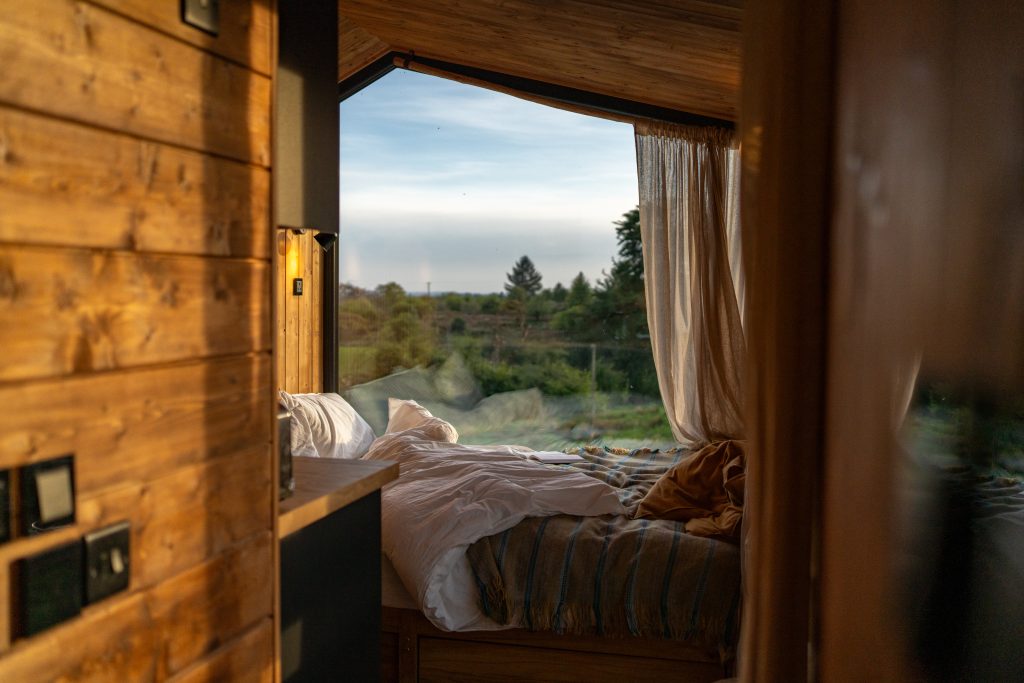
When we moved our clinic from Killaloe to Dronagiri in 2022, we thought we had finally completed the project. But visitors kept saying the same thing. “I wish I could stay here.” People would come for treatments or courses and then linger, enjoying the views, the birdsong and the sense of peace that seemed to settle over the land. The idea for the cabins grew from those conversations.
We wanted people to experience what we loved about this place—not just for an afternoon, but for a few days. To wake up to birdsong, watch the light move across the hills, read by the fire, enjoy a sauna under the stars and simply slow down. Not a retreat with a timetable.
Not a hotel.
Just a peaceful place to reconnect with nature and yourself.
People also often ask about the name: Dronagiri is the name of a mountain that appears in the ancient Indian epic, the Ramayana. According to the story, Hanuman carried the mountain because it contained life-saving medicinal herbs. The Ramayana has long been a favourite in our home and has been read to our children since they were small. Its stories became part of family life, so when it came time to name the land, Dronagiri felt like a natural choice.
For us, it symbolises healing, nature and the wisdom of plants—values that continue to inspire everything we do here.
Today, Dronagiri continues to evolve. There are still trees to plant, habitats to create and gardens to nurture. Our hope is that it will continue growing into a thriving sanctuary for wildlife and a peaceful refuge for those seeking rest, simplicity and connection with the natural world.